




GEEKWOLD GK260 Review
The IEM market is full of hybrids these days. Some focus purely on technical performance, while others try to give you a fun listening experience. Then there are a few that try to do both.
The GEEKWOLD GK260 falls somewhere in the middle.
With a crazy driver setup consisting of 4 Balanced Armatures, 4 Piezo Drivers, 2 Planar Drivers and 2 Dynamic Drivers, the GK260 looks impressive on paper. But numbers don’t always tell the whole story. What really matters is how it sounds.
After spending quite a bit of time with it, I can safely say the GK260 has its own personality. It isn’t a neutral monitor, and it doesn’t try to be one either. It is a warm, mild V-shaped IEM that focuses on giving you an exciting and colorful listening experience.
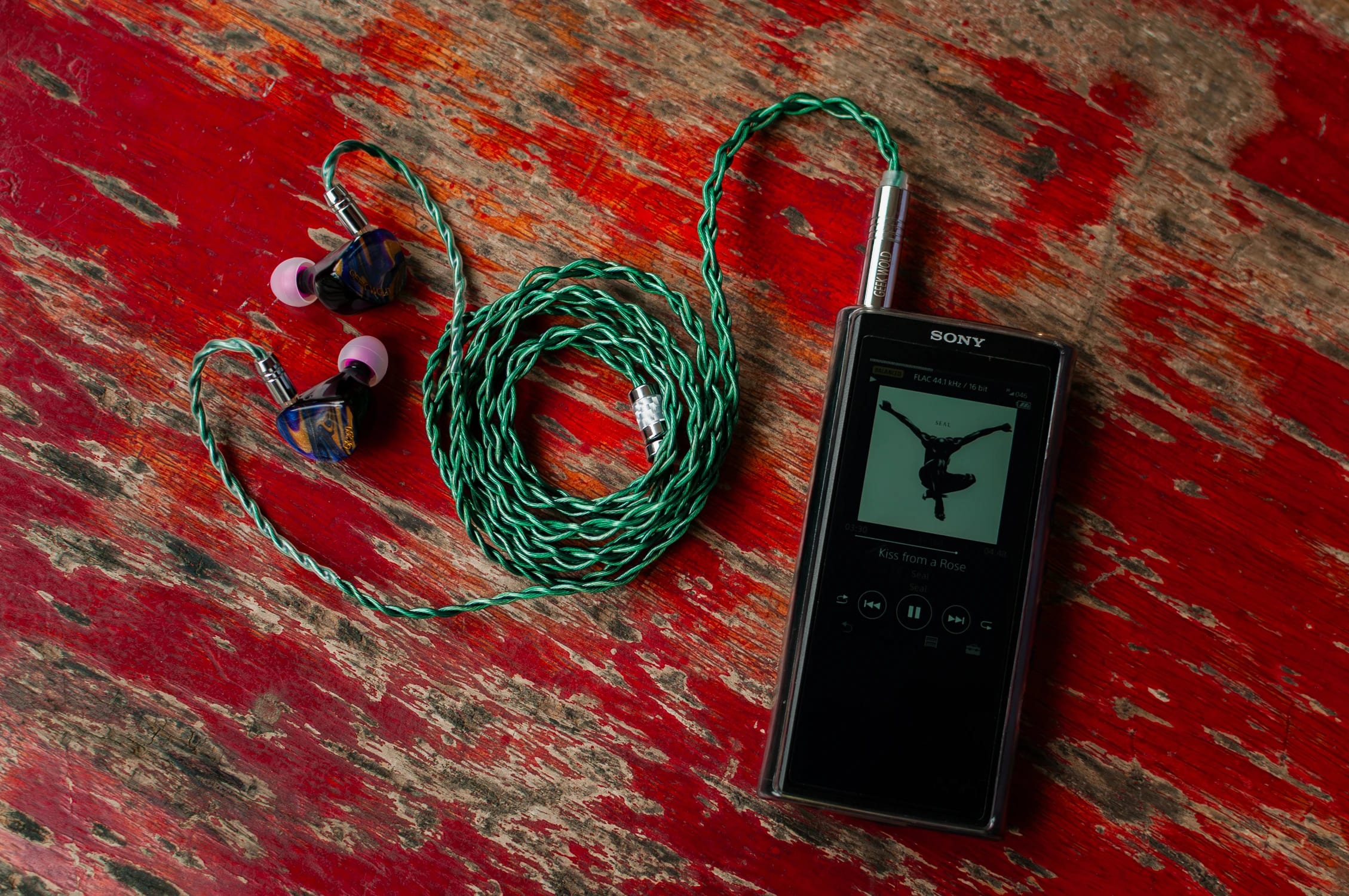
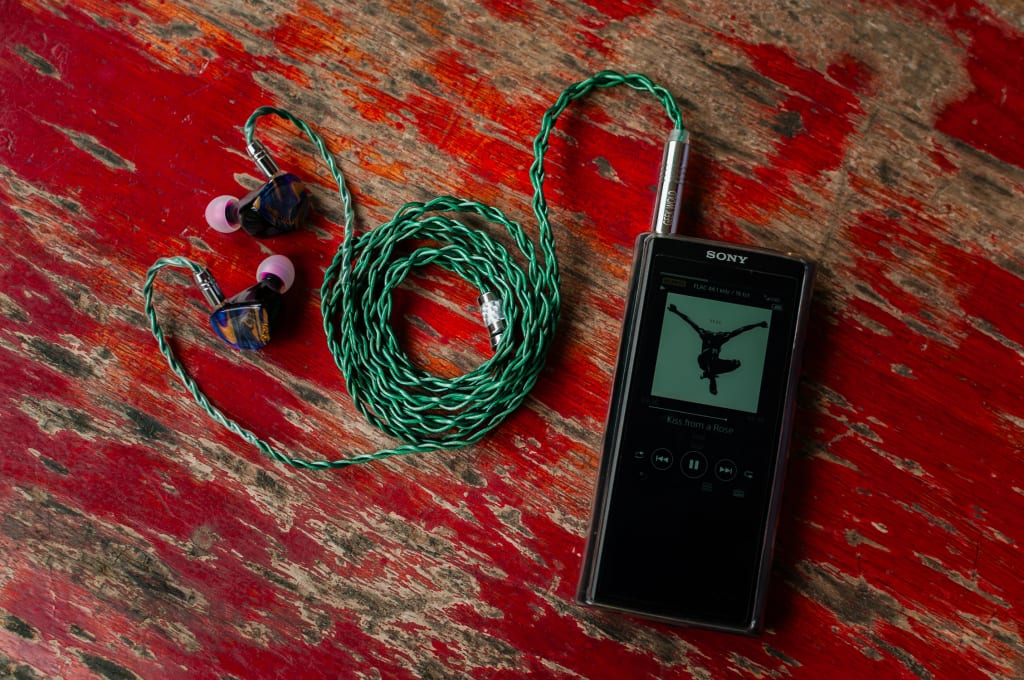
For this review, I paired the GK260 with the HiBy RS2, Sony ZX300, FiiO K13 R2R, EarMen ST-Amp and the ddHiFi TC44C.
Disclaimer
I got the GEEKWOLD GK260 sent over by GEEKWOLD for review, just to be clear. Everything I’m saying here is just my own thoughts, nobody told me what to say or anything like that. They didn’t pay me either, just sent the unit, that’s all.
I’ve been using the GEEKWOLD GK260 with my usual setup… tried different genres, some gaming too, and this is all based on what I heard and how I like my sound. So yeah… your experience might be different.
Build Quality, Design & Accessories
The GK260 immediately gives a premium first impression.
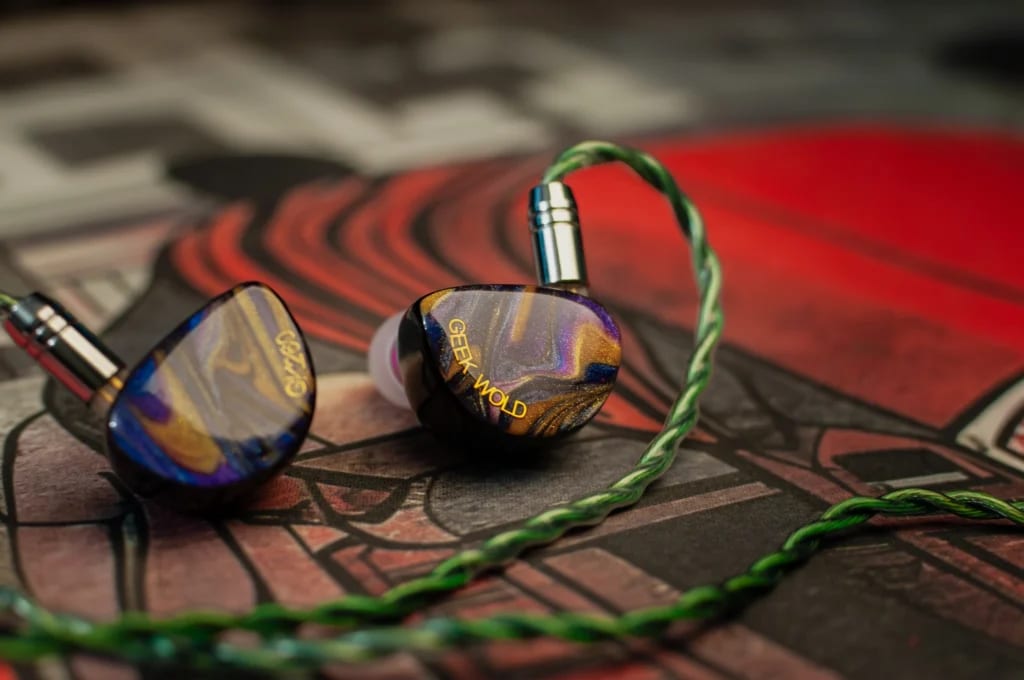
It uses a 3D printed resin shell that feels solid and well built. It doesn’t feel cheap at all. Even with all those drivers packed inside, the shell isn’t overly large, which honestly surprised me.
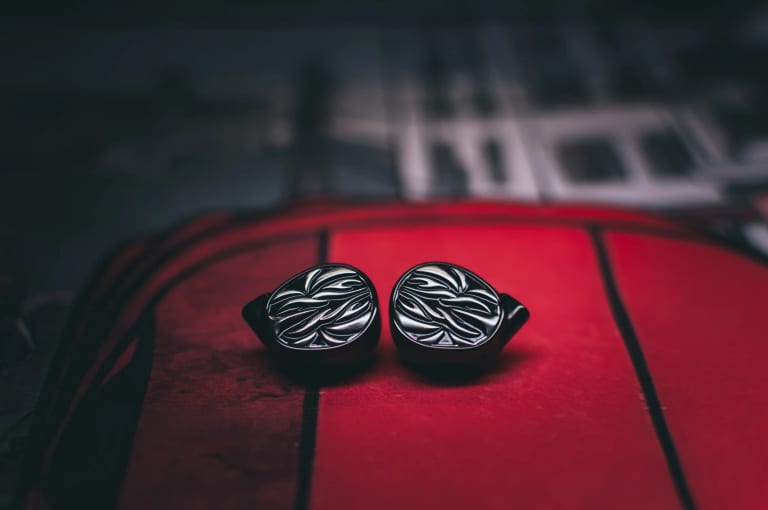
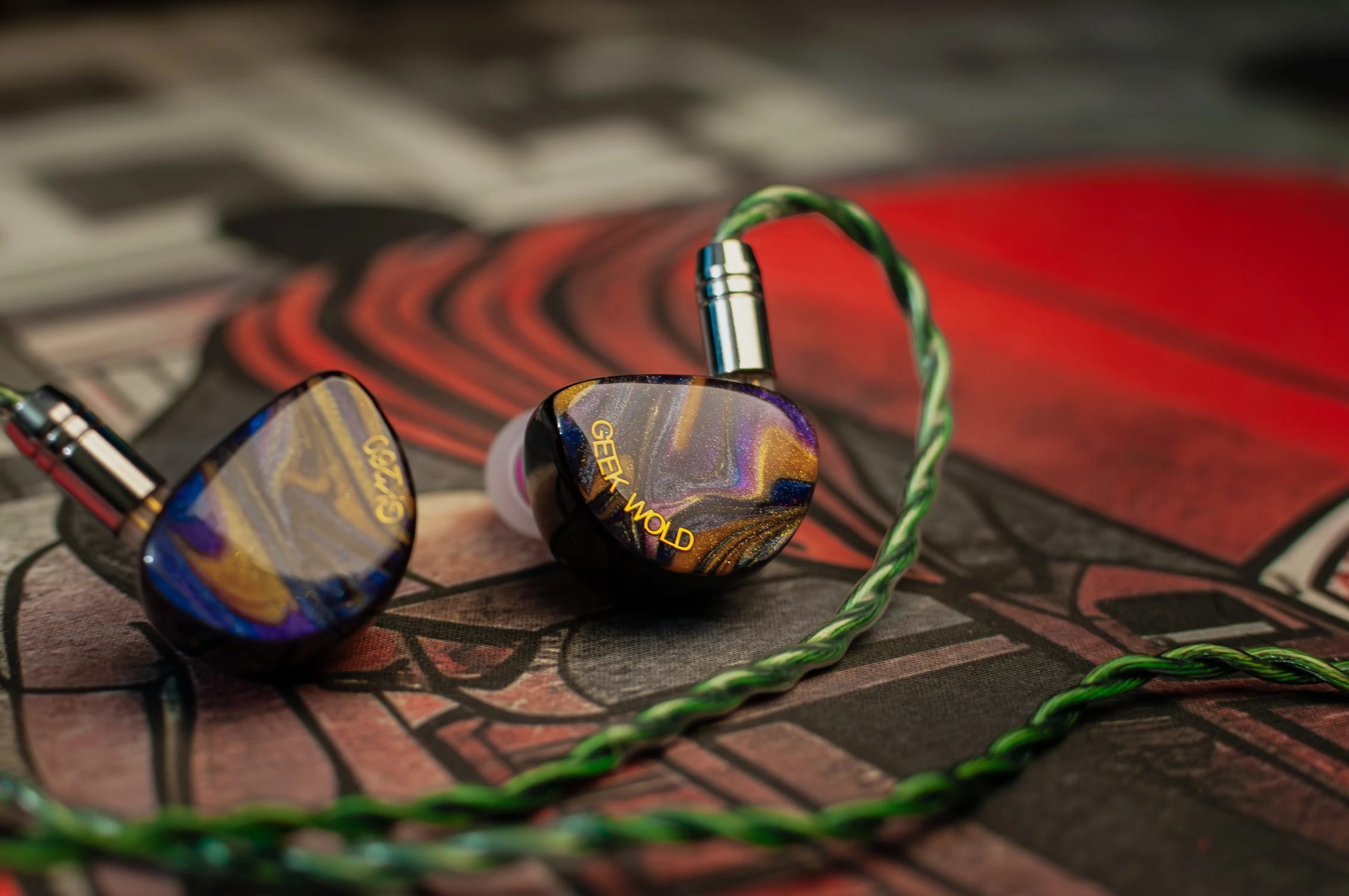
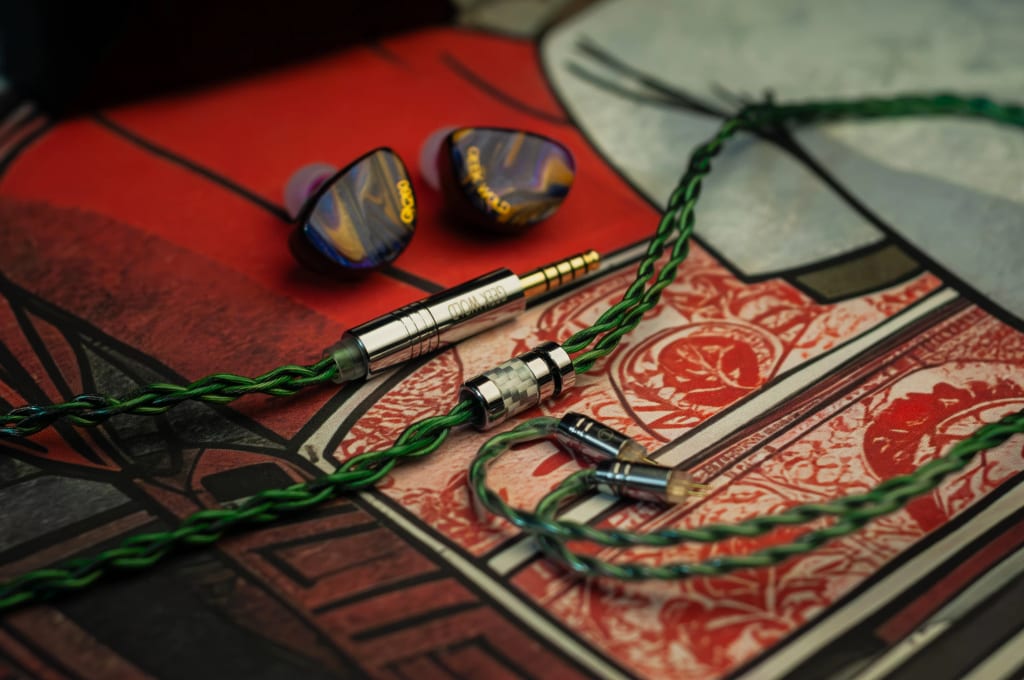
The faceplate is one of my favorite parts of this IEM. Mine has a beautiful marble-like mixed paint finish with shades of purple, blue and golden. Depending on how the light hits it, the colors look slightly different every time. One side has the GEEKWOLD logo while the other side simply says GK260.
It is simple… but very attractive.
Comfort is another strong point. The shell sits naturally in my ears and the nozzle size is just right. I never had any issue inserting the IEM and the ear tips stayed securely on the nozzle during my listening sessions.
Even after several hours of listening, I didn’t feel any discomfort or fatigue. That is always a big plus for me.


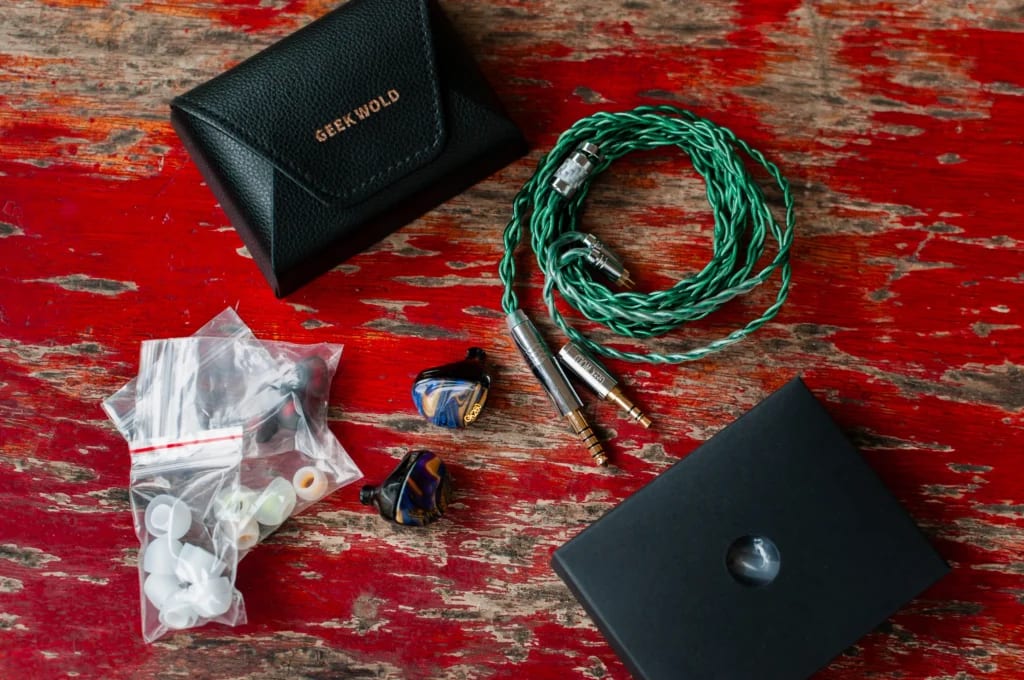
The accessories are also quite good.
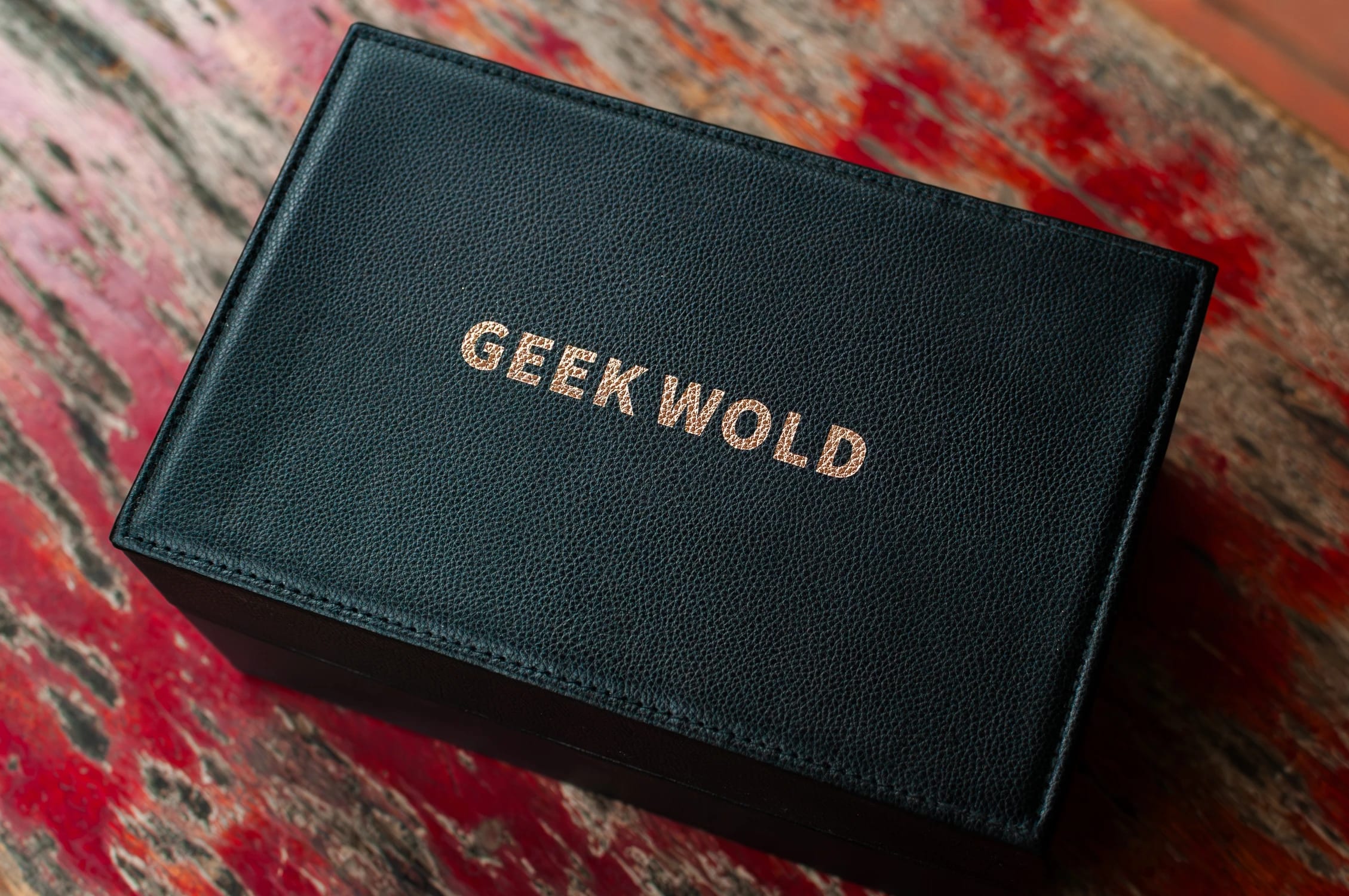
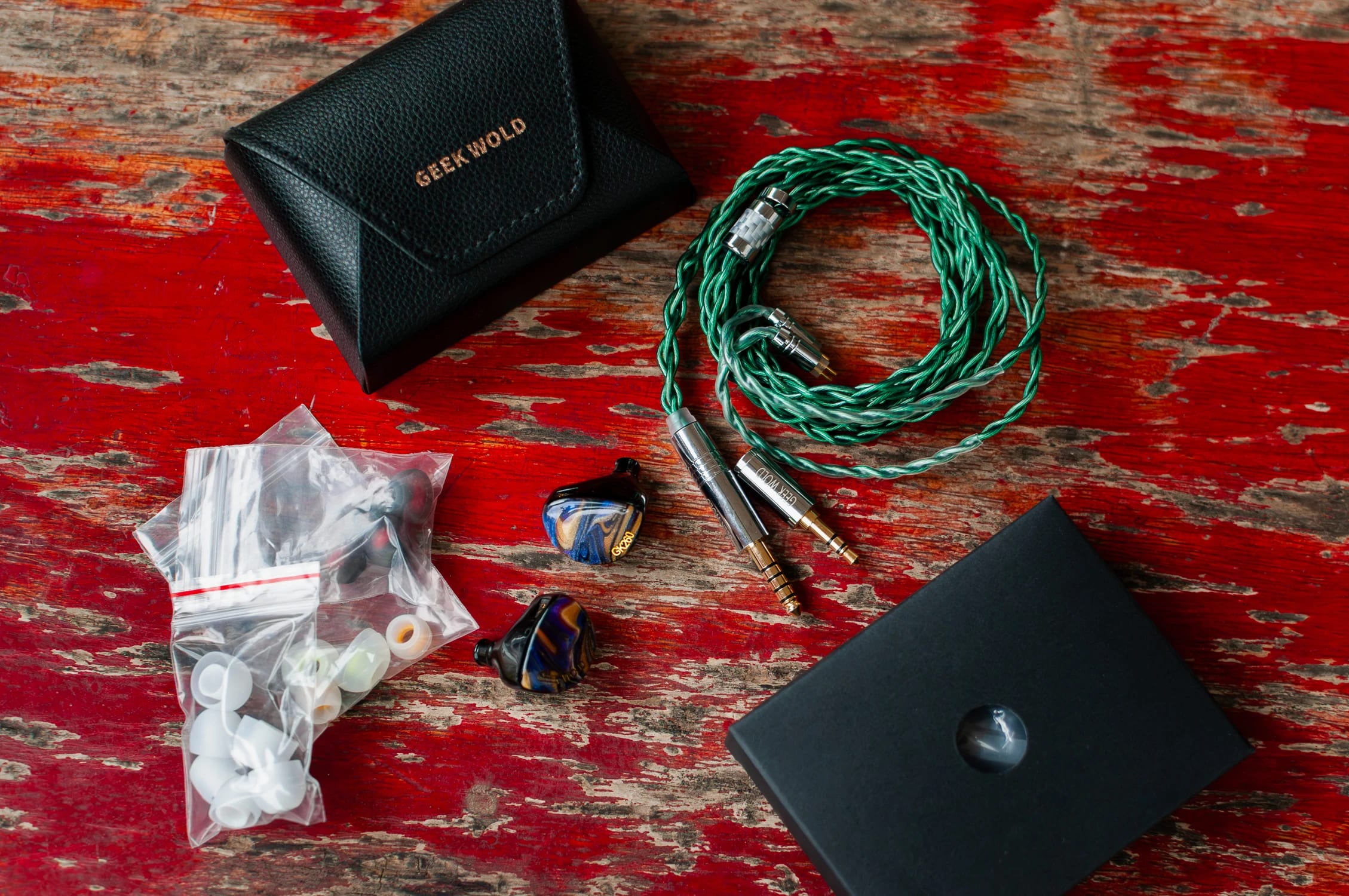
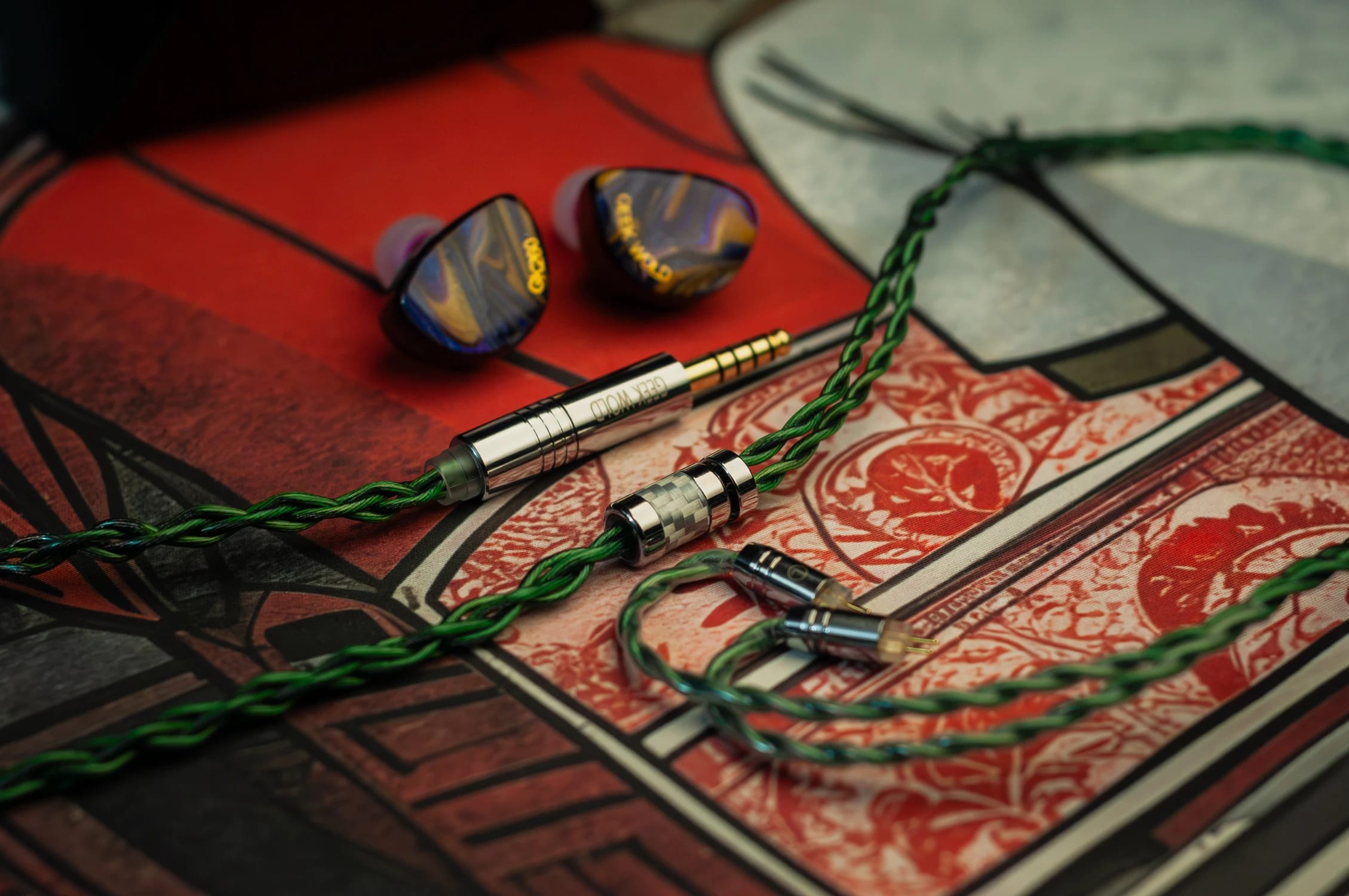
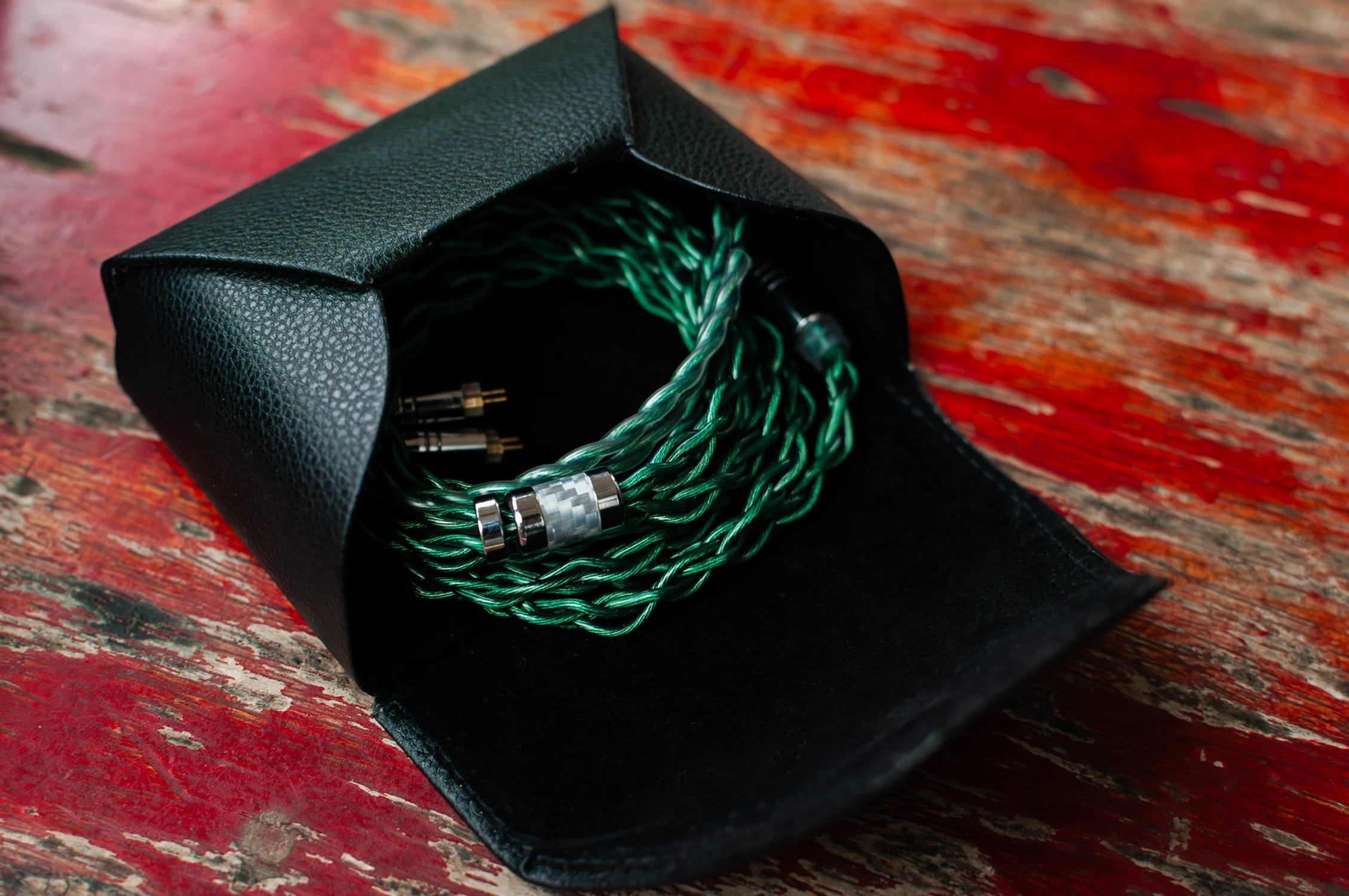
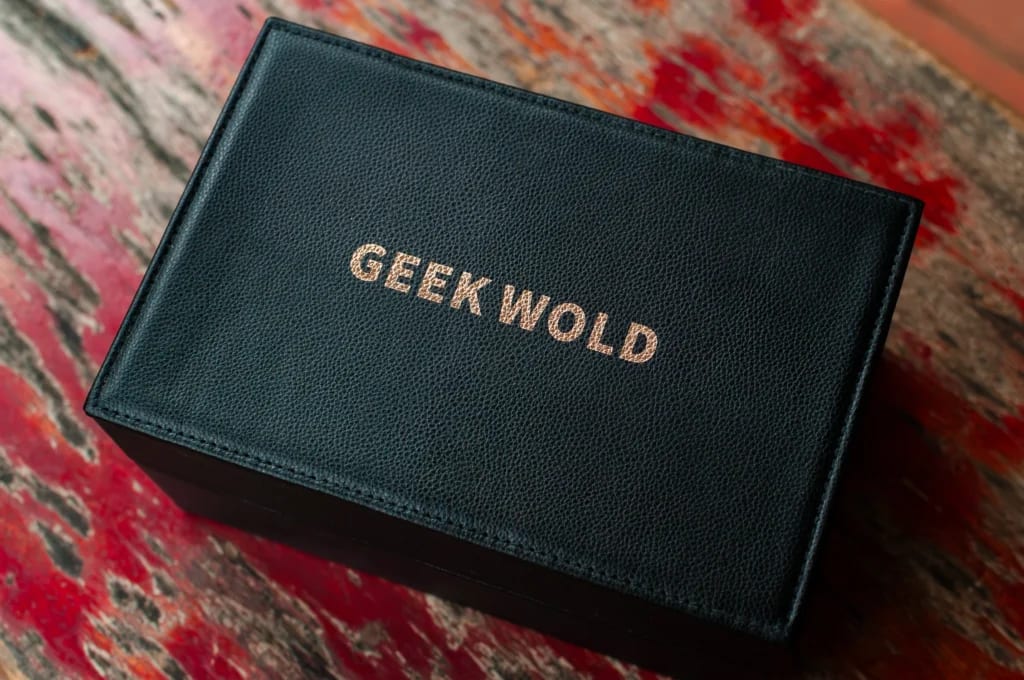
The GK260 comes inside a premium leather presentation box. Inside the box you get the IEM itself, a leather carrying pouch, an 8-core single crystal copper cable with interchangeable 3.5mm and 4.4mm plugs, some silicone ear tips and a thank you card.
Unfortunately, I couldn’t spend much time with the stock ear tips because my friend MD. Rohit somehow managed to lose them… 😅
From what I remember though, the ear tips were nothing special. Other than that, I have no complaints about the accessory package.
Sound Impressions
The GK260 has a warm tuning with a mild V-shaped presentation.
Normally when I hear “V-shaped”, I expect the mids to be pushed back quite a bit. Surprisingly, that isn’t the case here. The mids are still present and vocals have plenty of presence.
Actually… the vocals are a little too intimate for my personal taste.
I usually prefer vocals to sit a little further back inside the stage. The GK260 brings them closer to the listener. Personally, I don’t enjoy that type of presentation very much.
But…
If you are someone who loves intimate vocals, I honestly think you’ll absolutely love the GK260. For listeners who enjoy that presentation, I can easily see this being a 10 out of 10.
Bass
The bass is probably the first thing you’ll notice with the GK260.
There is plenty of it.
Sub-bass reaches deep and carries a satisfying amount of rumble. It definitely leans more towards quantity than absolute quality. The bass is fun and engaging, but sometimes that extra quantity becomes a small issue.
There are moments where the sub-bass slightly bleeds into the mids. It doesn’t happen on every song, but it is noticeable from time to time.
Mid-bass has a nice punch to it. It isn’t a super hard hitting bass though. Instead, it leans towards a softer and warmer presentation. Personally, I enjoyed it with pop music, EDM and modern tracks where a little extra bass makes everything sound more exciting.
The good news is…
This bass issue can actually be improved quite a bit with source pairing.
When I paired the GK260 with my EarMen ST-Amp and the FiiO K13 R2R, the bass became noticeably tighter and the bleed was reduced. Because of that, I would recommend pairing the GK260 with a neutral or slightly bright source.
Changing the stock cable to a silver-plated cable should also help tighten things up a little.
So yes… source pairing matters with this IEM.
Midrange & Vocals
The midrange carries a nice amount of warmth and has a colorful presentation.
It is slightly colored, but honestly… I think it is colored in a good way. If you enjoy warm sounding IEMs, there is a good chance you’ll like what the GK260 does here.
Male vocals are one of my favorite parts of this IEM.
They sound thick, rich and meaty. There is a nice character to them that makes male singers sound full and engaging. Some artists may actually sound a little thicker than they should, but personally… I enjoy that presentation, so I have no complaints here.
There is also a nice richness to the vocals that makes long listening sessions very enjoyable.
Another thing I noticed is the vocal positioning.

The vocals are intimate and sit closer to the listener than I personally prefer. They are not overly shouty, but they definitely stay close to the center of the stage. If you enjoy intimate vocals, this tuning will probably make you very happy.
For me… I would have preferred them to sit just a little further back.
Female vocals were another pleasant surprise.
I honestly didn’t expect them to perform this well.
There is a nice amount of sparkle and energy without becoming overly shouty. They sound lively, engaging and mostly free from sibilance.
But there is one thing to keep in mind…
Don’t pair the GK260 with a bright source.
Doing that pushes the upper frequencies a little too much and I started hearing more “ss” and “shh” sounds. It also became more fatiguing during longer listening sessions.
With warmer or neutral sources though… female vocals sound really enjoyable.
Treble
Now let’s talk about the treble…
This is probably the most divisive part of the GK260.
The treble is airy, energetic and very sparkly. Because of that, the whole presentation feels lively and exciting. There is plenty of energy in the upper frequencies and detail lovers will probably enjoy what the GK260 offers.
But…
If you are sensitive to treble like I am, this may not be your favorite tuning.
There are moments where the upper frequencies become a little shouty and slightly unnatural. Instruments like electric guitars, hi-hats and other high-frequency sounds can sometimes become a bit too energetic.
That doesn’t mean the treble is bad.
It simply depends on what kind of listener you are.
If you love energetic, airy and sparkly treble… man, I think you’re going to enjoy this IEM.
If you are treble sensitive…
You might want to stay away, or at least pair it with a smoother source.
Soundstage & Imaging
The GK260 has a pretty interesting soundstage.
At first, it doesn’t feel like the biggest stage around. Because the vocals sit closer to the listener, the stage can actually feel a little smaller on normal vocal tracks.
But…
Play an orchestra, a live recording or something with lots of instruments, and the GK260 starts to show what it can really do. The stage opens up nicely and you get a much better sense of width and depth.
I wouldn’t call it massive, but it has a nice holographic presentation that makes music enjoyable.
Imaging is good.
I had no problem identifying where instruments were placed. Left, right and center positioning are easy to follow and everything feels well organized.
Separation is also good. Instruments don’t get mixed together and I could easily pick them out from the mix.
The only thing holding it back a little is the intimate vocal presentation. Because the vocals sit closer to the center, they occupy a little more space than I personally prefer. If the vocals were pushed back just a little, I think the overall separation would feel even better.
Layering is decent.
Most of the time everything sounds clean and easy to follow. The only time layering takes a small hit is when the bass starts bleeding into the mids. Other than that… I really don’t have much to complain about.

Technical Performance
The GK260 is a fun sounding IEM first… technical monster second.
Resolution is good, but I don’t think it reaches its full potential because of the bass tuning. There is plenty of detail hiding in there, but sometimes the extra bass takes away a little bit of clarity.
Other than that, I think it does a really good job.
Imaging is solid, separation is good, layering is mostly clean and the stage has a nice holographic feeling. It may not be the most technical IEM in its price range, but it balances musicality and technical performance quite well.
Personally… I enjoyed listening to music more than analyzing every tiny detail, and sometimes that’s exactly what I want from an IEM.
Gaming Performance
I also spent a good amount of time gaming with the GK260.
For casual gaming, I honestly think it performs quite well.
I tested it with CS2, Valorant, Overwatch and GTA V.
Footsteps are easy to hear and positional accuracy is good. Enemy locations can be identified without much trouble and the imaging helps quite a bit during normal gameplay.
The only problem starts when things become chaotic.
If there are explosions, multiple gunshots, vehicles and lots of sound effects happening at the same time, the bass starts taking over a little. Because of that, some smaller details become harder to hear.
For competitive gaming, this can sometimes become a disadvantage.
But to be honest… it isn’t bad at all.
If you’re mostly a casual gamer, I don’t think you’ll have many complaints. If you’re a hardcore competitive player, there are probably better options out there.

Source Pairing
Source pairing makes a noticeable difference with the GK260.
I tested it with the HiBy RS2, Sony ZX300, FiiO K13 R2R, EarMen ST-Amp and the ddHiFi TC44C.
Out of all of them, my favorite setup was easily the FiiO K13 R2R paired with the EarMen ST-Amp.
This pairing tightened up the bass, reduced the bass bleed and gave the whole presentation a better balance. Everything sounded cleaner while still keeping the fun and musical character of the GK260.
The HiBy RS2 also performed nicely, but for me the K13 R2R with the ST-Amp was the winner.
If you already own a neutral or slightly bright source, I would definitely recommend trying the GK260 with it.
I also think replacing the stock cable with a silver-plated cable could help tighten the bass a little more.
Final Thoughts
The GEEKWOLD GK260 isn’t trying to be a reference monitor or the most technical IEM on the market.
Instead, it focuses on giving you a warm, colorful and energetic listening experience.
It has plenty of bass, rich male vocals, surprisingly enjoyable female vocals and an airy, lively treble that makes music sound exciting.
Of course, it isn’t perfect.
The bass can sometimes bleed into the mids, the vocals are a little too intimate for my personal taste and treble-sensitive listeners should definitely be careful with source pairing.
But here’s the thing…
Those are mostly tuning preferences rather than serious flaws.
Personally, I prefer vocals to sit a little further back and I also like smoother treble. So the GK260 isn’t exactly tuned for my taste.
But if you enjoy warm, fun and energetic IEMs with intimate vocals, sparkling treble and a lively presentation…
I honestly think you’re going to have a great time with it.
For the right listener, this could easily be a fantastic all-rounder.

Happy Listening
For more reviews on audio gear, click here