
Letshuoer Ember Review
The planar IEM market has become very crowded over the last few years. Most new planar releases follow a similar formula… lots of detail, energetic treble, super fast bass and a highly technical presentation that tries to impress you within the first few minutes.
The Letshuoer Ember feels quite different.
Built around a newly developed 14.8mm planar driver, the Ember takes a different route. Instead of chasing every last bit of detail and technical performance, it focuses more on musicality, timbre and long listening enjoyment. To my ears, it often sounds more like a really good dynamic driver than a typical planar, while still keeping enough speed and detail to remind you what driver is inside.
For this review, I used the Ember with the HiBy RS2, K13 R2R, EarMen ST-Amp, LG V50, LG V60 and ddHiFi TC44C.
Disclaimer
I got the Letshuoer Ember sent over by Letshuoer for review, just to be clear. Everything I’m saying here is just my own thoughts, nobody told me what to say or anything like that. They didn’t pay me either, just sent the unit, that’s all.
I’ve been using the Letshuoer Ember with my usual setup… tried different genres, some gaming too, and this is all based on what I heard and how I like my sound. So yeah… your experience might be different.
Build Quality, Design & Accessories
The Letshuoer Ember immediately feels like a premium product.
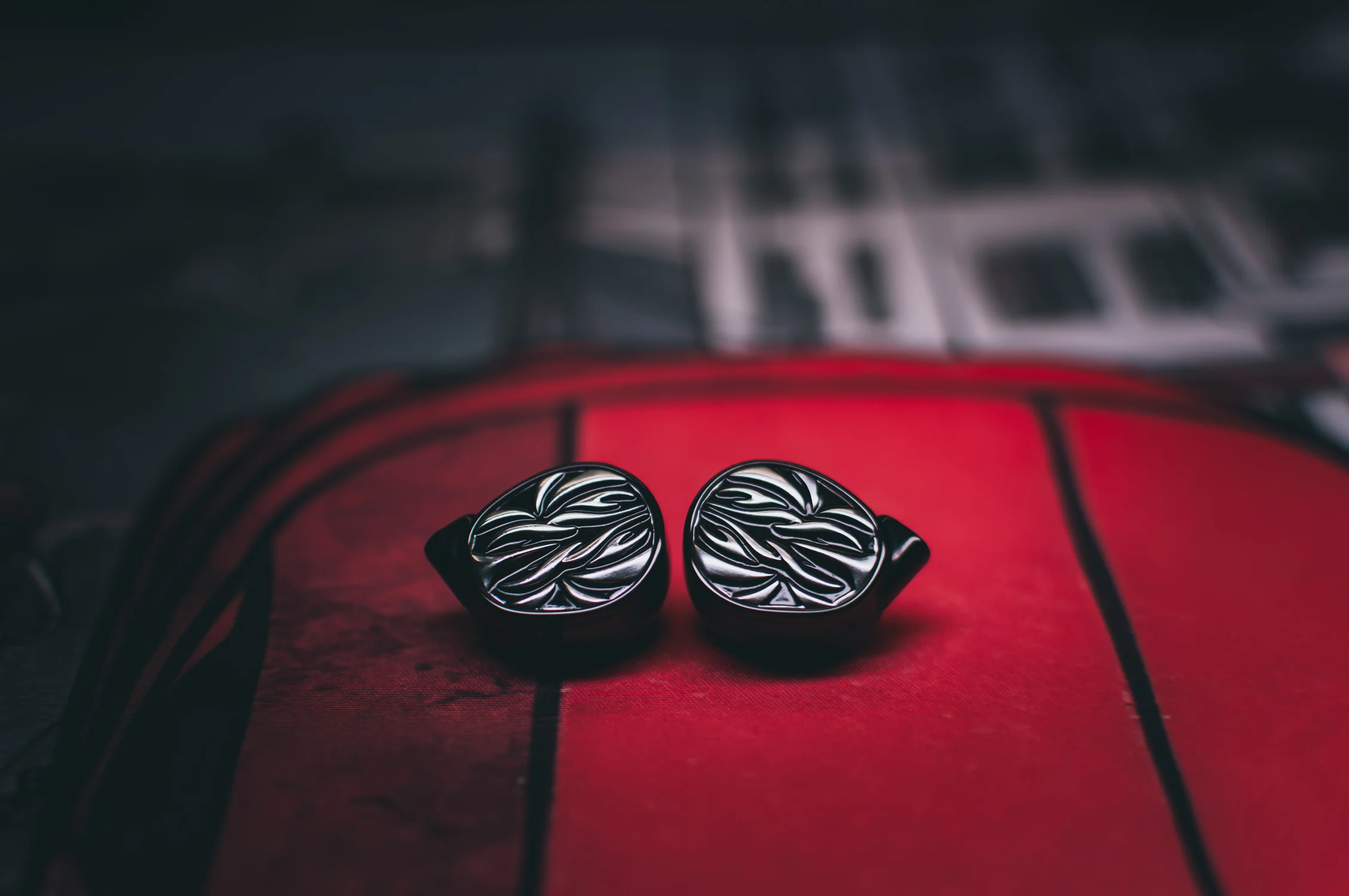
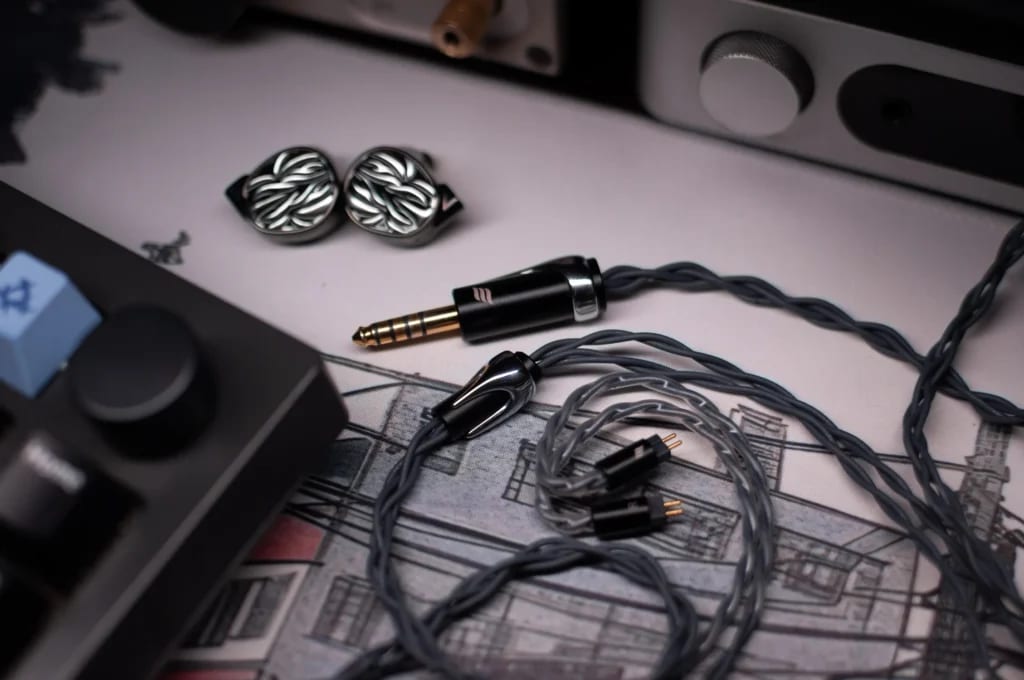
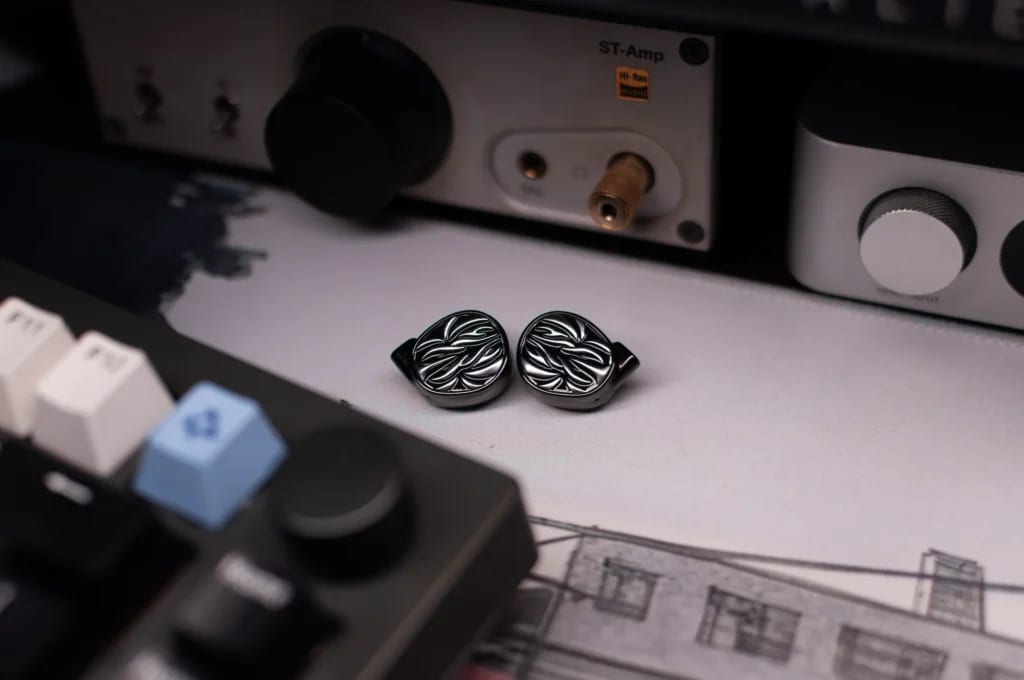
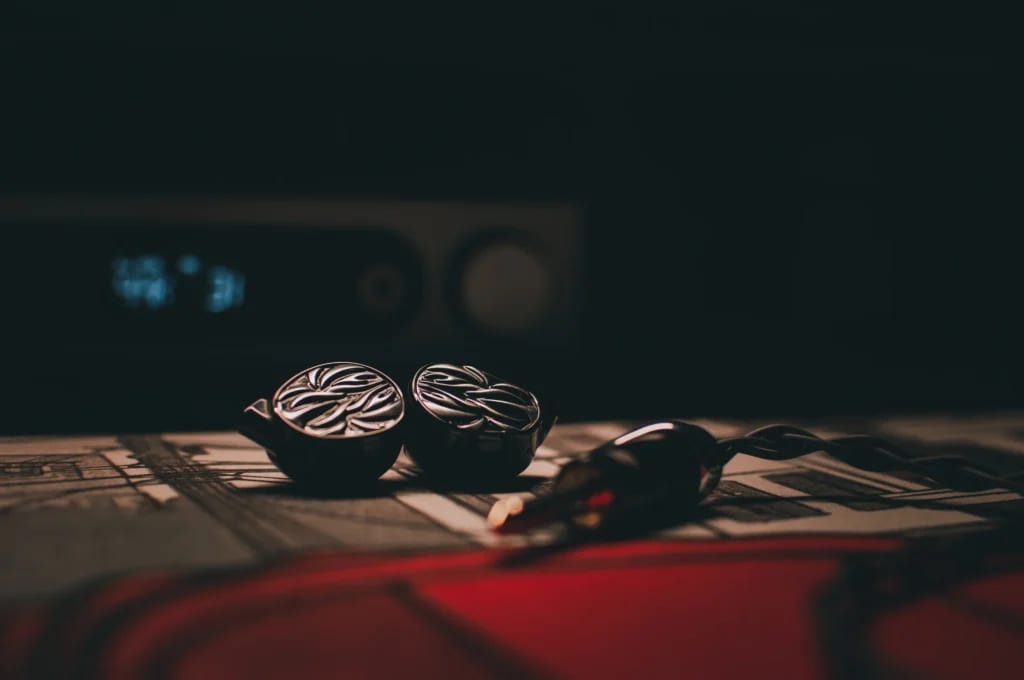
The shell uses a matte black titanium alloy construction paired with an aluminum alloy faceplate. Even though it is made from metal, it never feels heavy in the ears. In fact, it is surprisingly lightweight and comfortable.
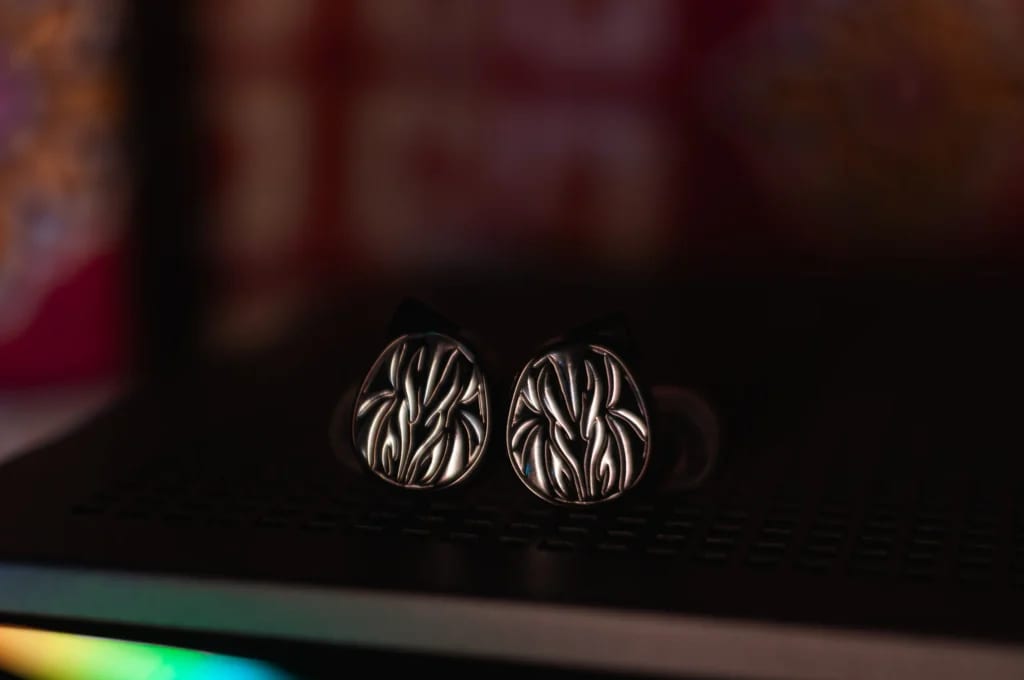
The faceplate design is also very nice. The silver flame engraving reflects the Ember name perfectly and gives the IEM its own identity. It looks classy without trying too hard and under different lighting conditions the flame pattern catches the light beautifully.

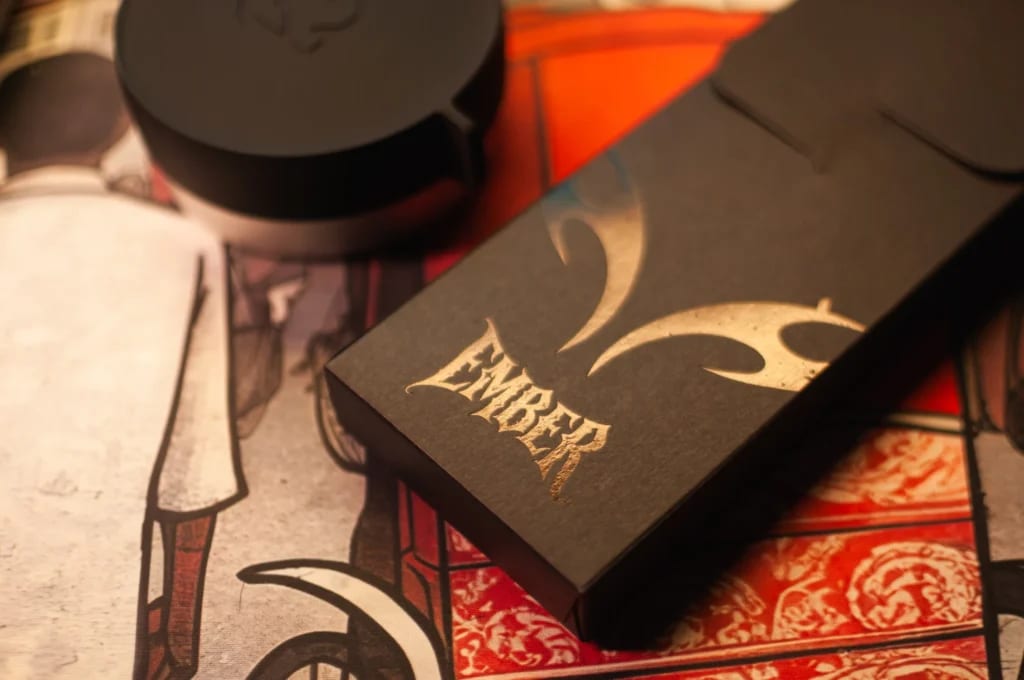
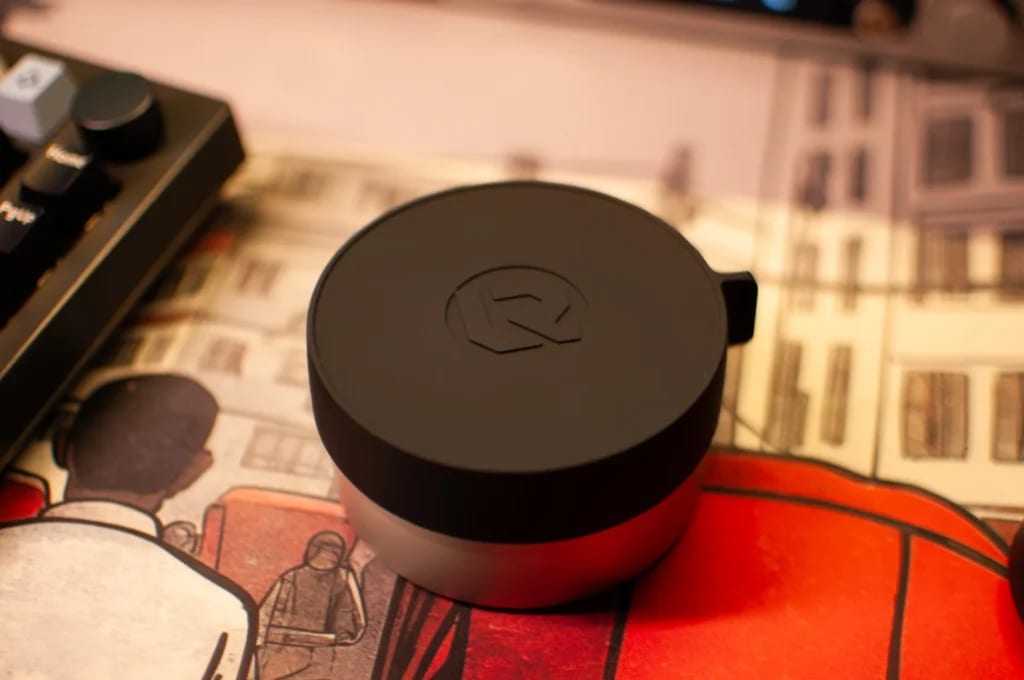
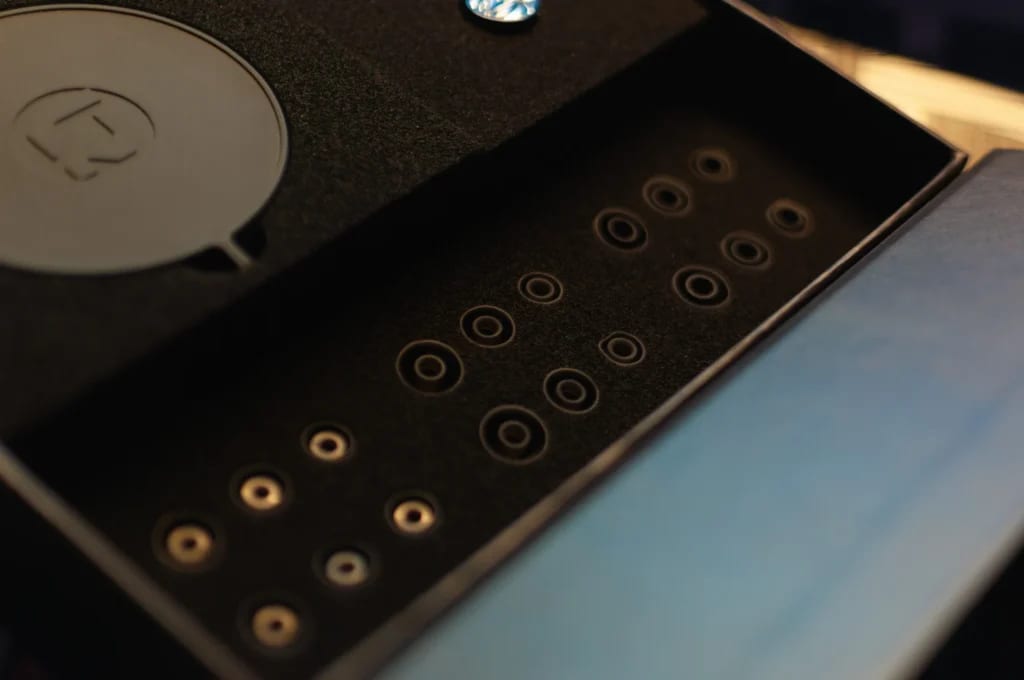
Comfort is excellent. The ergonomic shell sits naturally in my ears and I never experienced any discomfort during longer listening sessions. Once inserted, it mostly disappears and lets you focus on the music.
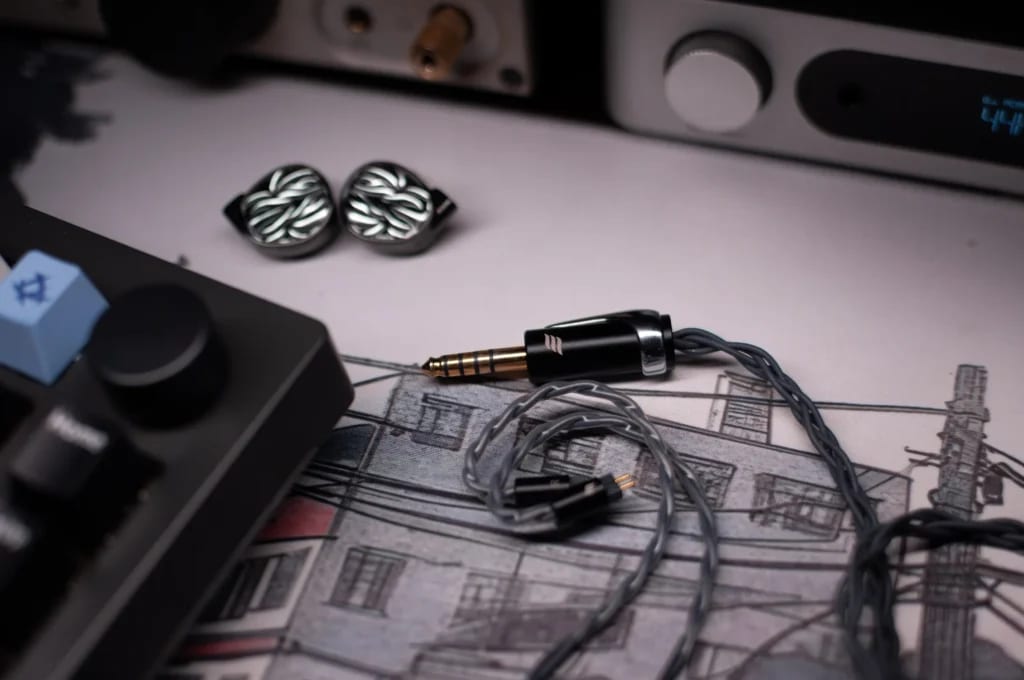
The included cable is another nice addition. Letshuoer’s collaboration with Effect Audio brings a 26AWG 4-core UP-OCC monocrystalline copper cable terminated with a 4.4mm balanced plug. The cable feels soft, premium and matches the overall quality of the package really well.
Other than that, the Ember is also limited to only 999 units worldwide, which adds a little exclusivity for collectors.
Sound Impressions
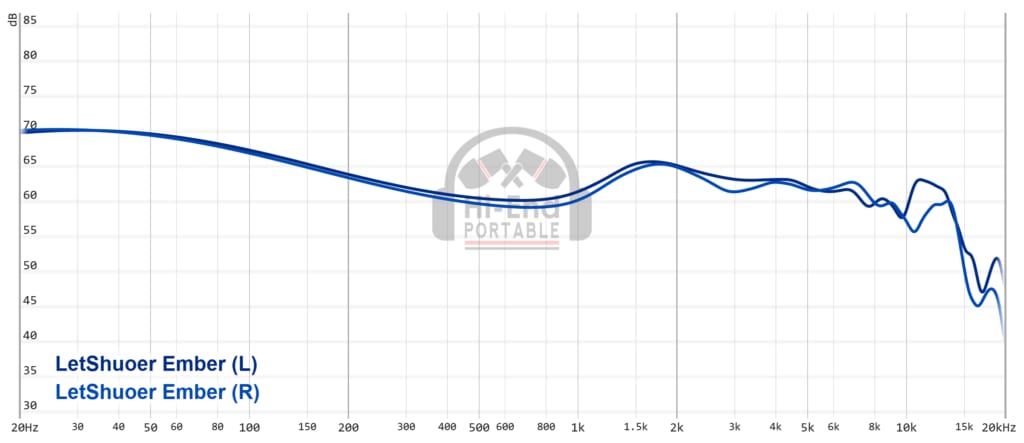
From the very first song, the Ember presents itself as a warm, smooth and highly musical sounding IEM.
The overall presentation has an almost analog character to it. It doesn’t sound bright or technical. Instead, it sounds musical, natural and enjoyable.
Honestly… this is one of the least planar sounding planar IEMs I have heard.
Bass
The bass is one of the first things that grabbed my attention with the Ember.
Sub-bass reaches deep and has a nice rumble to it. There is definitely some elevation here, but it never feels bloated or overdone. The quantity feels just right for my taste. It is fun when the track calls for it, but never turns into a basshead type of presentation.
Mid-bass has a nice thick punch. It doesn’t hit super hard, instead it goes for a softer and more natural approach. Personally, I enjoyed this tuning a lot, especially with jazz, pop and some classical tracks. Bass guitars and drums have a nice body to them without taking attention away from the rest of the music.
What impressed me most here is the character of the bass. Even though the Ember uses a planar driver and still keeps that planar speed, it honestly doesn’t sound like a typical planar bass presentation. Notes have a more natural decay and weight to them. At times it reminded me more of a good dynamic driver than a planar.
To my ears… this is one of the Ember’s strongest qualities. The bass sounds natural, musical and simply enjoyable.
Midrange & Vocals
The midrange follows the same philosophy.
Male vocals are easily one of the highlights of the Ember. Voices sound thick, mature and naturally warm without becoming overly colored. There is a pleasing sense of note weight that gives singers a realistic presence within the mix.
Listening to artists such as Mark Knopfler and Chris Isaak was an absolute pleasure with the Ember. Knopfler’s distinctive vocal delivery carried excellent texture and realism, while Chris Isaak’s deep and emotional voice worked beautifully with the Ember’s warm tonal character. There is something very natural about the way the Ember presents male vocals.
It doesn’t try to push them forward or make them sound bigger than they should. Instead, it lets them sit naturally within the music. The result is a presentation that feels effortless and highly musical.
Another thing I really liked is the vocal positioning. The Ember places vocals slightly forward and right at the center of the stage. But they never sound overly intimate or pushed directly into your face. Instead, they sit in what feels like the perfect position within the mix.
To my ears, Letshuoer got the balance just right here. Vocals remain engaging and easy to focus on, they still have enough space around them to breathe. The presentation feels natural and very well balanced.
Female vocals were probably the biggest surprise.
Because of the Ember’s warm tuning, I expected female vocals to sound a little relaxed. But that wasn’t the case at all. Female vocals have a nice amount of energy and sparkle while remaining smooth and effortless. There is also a nice sense of air surrounding vocal performances which helps them sound open and lively.
Most importantly, sibilance control is excellent. I never encountered any unpleasant “ss” or “shh” emphasis during my listening sessions. Female vocals remain expressive, airy and engaging without introducing fatigue.
What surprised me most is how the Ember manages to balance warmth and air at the same time. Female vocals have enough energy to stay exciting… so far they never become sharp or aggressive.
Treble
The treble is slightly relaxed, but don’t mistake that for a dark sounding IEM.
When I first heard the Ember, I noticed the treble was a little smoother than many modern planar IEMs. But after spending more time with it, I realized Letshuoer wasn’t trying to reduce detail. They simply tuned the treble in a more natural and relaxed way.
There is still plenty of detail here. Micro-details are easy to hear and the Ember never feels lacking in information. It just doesn’t throw every little detail directly at your face.
Cymbals sound very natural. They have good shimmer, good extension and a realistic decay. There is also a nice amount of air throughout the presentation which helps keep the sound open.
Personally… I never felt like I was missing anything.
The biggest strength of the treble is how comfortable it is. I could listen for hours without feeling tired. No harsh peaks, no glare and no annoying sharpness. Just a smooth and refined treble presentation that still keeps good detail.
Technical Performance
The Ember is a capable technical performer, but it approaches technicalities a little differently compared to many other planar IEMs.
The soundstage is decent in size. It is not the widest stage I have heard, but it makes up for that with very good depth and height. Because of this, the presentation feels more three-dimensional than the stage size might suggest.
Imaging is one of the strongest parts of the Ember.
Instrument placement is extremely accurate and easy to follow. During busy tracks, I could pinpoint instruments without much effort. Everything has its own place within the stage and rarely feels crowded.
Layering is also excellent. Even with complex recordings, I could define and separate instruments clearly. The Ember does a very good job keeping different layers organized and easy to follow.
Resolution is good as well. If you are looking for an ultra-technical planar that extracts every tiny detail possible, the Ember may not be that type of IEM. It focuses more on making music sound natural rather than sounding overly analytical.
To be honest… I think that works in its favor.
Gaming Performance
I also spent some time gaming with the Ember.
For competitive games, the Ember performs surprisingly well. In titles such as CS2, Valorant and Overwatch, footsteps, reload sounds and gunfire are easy to hear and locate. The strong imaging performance really helps here.
Rainbow Six Siege was probably my favorite game with the Ember. The depth and height of the stage work very well in that environment. Positional cues are easy to identify and enemy locations can be tracked accurately.
For open-world games such as GTA V, Red Dead Redemption 2 and Arc Raiders, the experience is still enjoyable, but it isn’t quite as impressive. The stage width is decent rather than massive, so some of the large-scale immersion feels slightly limited compared to wider sounding sets.
That being said… the Ember is still a very capable gaming IEM and performs really well in competitive shooters.

Source Pairing
The Ember scales nicely with better sources.
While it sounded good from the LG V50, LG V60 and ddHiFi TC44C, my favorite pairings were easily the HiBy RS2 and the K13 R2R paired with the EarMen ST-Amp.
The RS2 paired beautifully with the Ember. The combination enhanced the analog character even further and made the overall presentation sound incredibly natural and engaging. Vocals gained a little extra texture and the whole presentation felt effortless.
The K13 R2R with the ST-Amp was another excellent pairing. It brought good control, dynamics and a nice sense of authority while maintaining the Ember’s warm and musical nature.
If you already own a good R2R source… the Ember is definitely worth trying with it.
Final Thoughts
The Letshuoer Ember is not a planar IEM that tries to impress you with aggressive detail, bright treble or an overly analytical presentation.
Instead, it focuses on something much simpler.
Making music enjoyable.
It delivers a warm and analog-like presentation with natural bass, rich vocals, smooth treble and enough technical ability to remain engaging without losing its musical soul.
In many ways, it sounds closer to a well-tuned dynamic driver than a traditional planar. And honestly… that is exactly what makes it special.
After spending a lot of time with the Ember, what stayed with me wasn’t its specifications or technical performance.
It was how often I simply forgot about analyzing the sound and just enjoyed the music.
And sometimes… that’s exactly what a great IEM should do.
Happy Listening
For more reviews on audio gear, click here