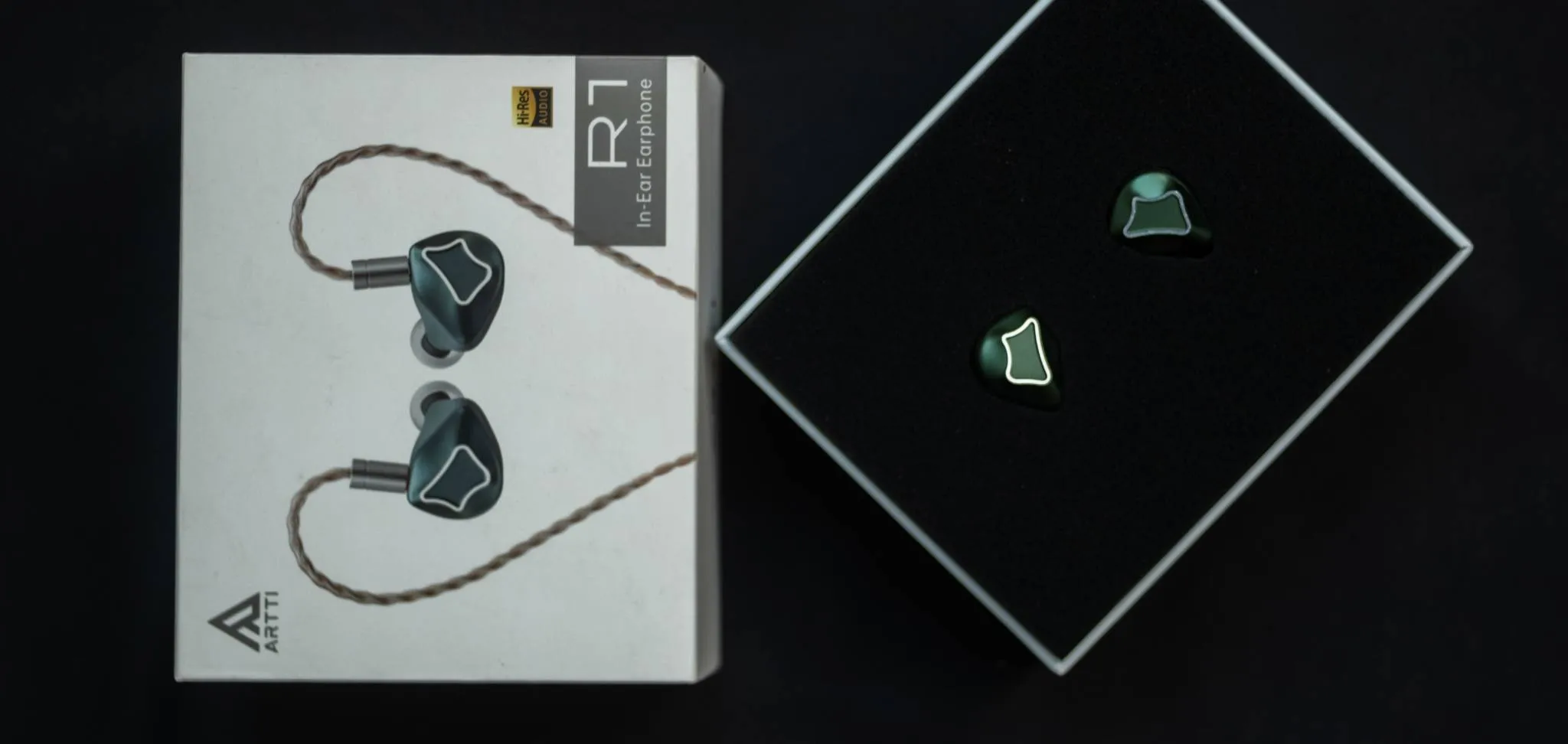

Artti is actually somewhat of a new breed too, reportedly a sub-brand of Letshuoer, which is why they were so aggressive in terms of specs. While the market is saturated with either one dynamic driver or the common hybrid-driver IEMs, the R1 is actually rather audacious in that it boasts not one, not two, but three drivers per side that are dynamic. Yes, for under $100, Artti goes for the triple DD formula. It’s supposed to be for "music lovers" rather than for bland studio applications and is reportedly geared towards that vamped-up sonic experience that only dynamic drivers can offer.
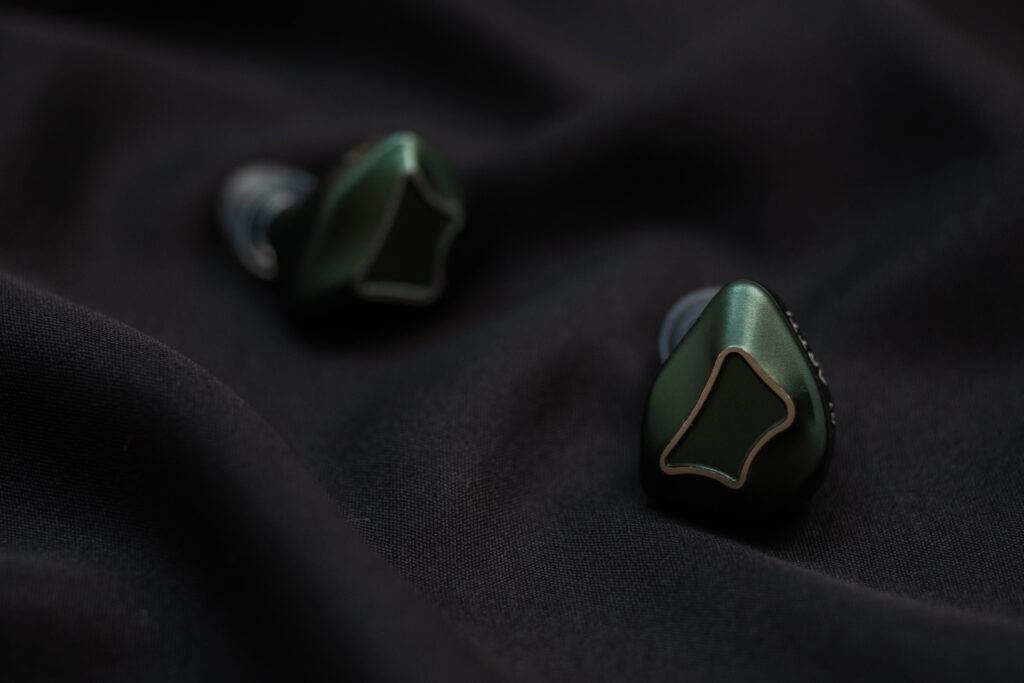
Artti R1 Review
Previously I reviewed the T10 & T10 Pro from Artti and fell in love with the tuning of the T10 due to its outstanding top frequency presentation, especially when I paired it with my beloved DAP, the Hiby RS2. This triple DD set, the R1, gave me a different kind of experience. It wasn’t the way I expected it to be when I first got to know its driver configuration and saw the frequency graph. But my first surprise was the inclusion of a cable with a 3.5 mm connector! Is it good enough to properly power up the setup of two 6mm DD & one 8mm DD? They should pack it with a 4.4 mm balanced connector, I think.
And what about the sound it is capable of producing? Ah, warm, bassy, and detailed. But don’t expect utter details like you hear it from any bright-tuned set. The whole sound style reminds me of my beloved Moondrop Aria OG, though it’s not that dark like the Aria. In my experience with the R1, I find that a neutral-bright source can bring the most out of it.
DISCLAIMER
Artti was kind enough to send me the Artti R1 to review. I am not affiliated with Artti, and of course, I was not asked for any copy-checking before publishing. All opinions shared in this ‘Artti R1 review’ are my subjective thoughts.
One thing more: The review is based on my personal experience and what I hear using different sources. Your experience may vary because of personal preference and physical differences like the shape and depth of the ear canal.
For your personal purchase, checkout Artti for their fantastic products and promotions (non-affiliated link).
GEAR USED
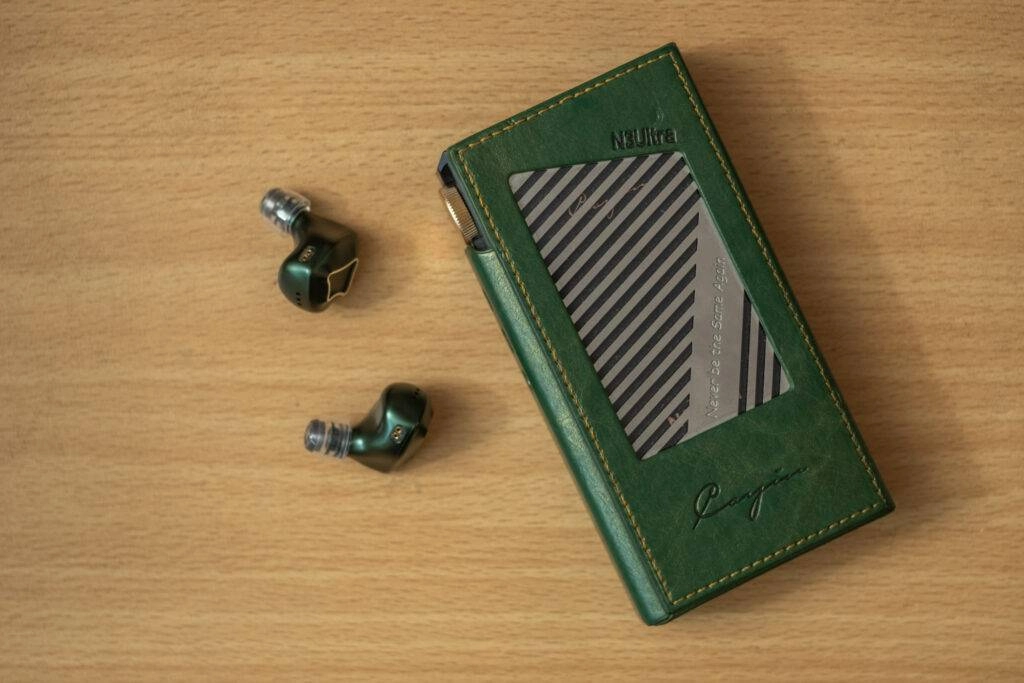
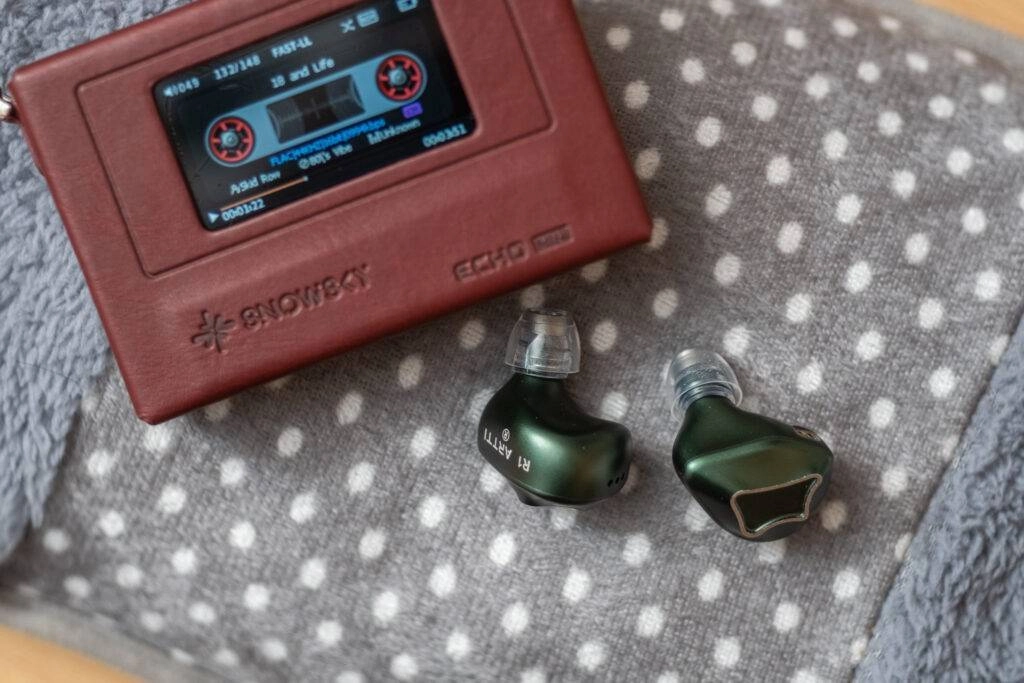
● DAP: Cowon Planue R2, Cayin N3 Ultra, Hiby RS2, Hiby R4, Snowsky Echo Mini, F.Audio M20.
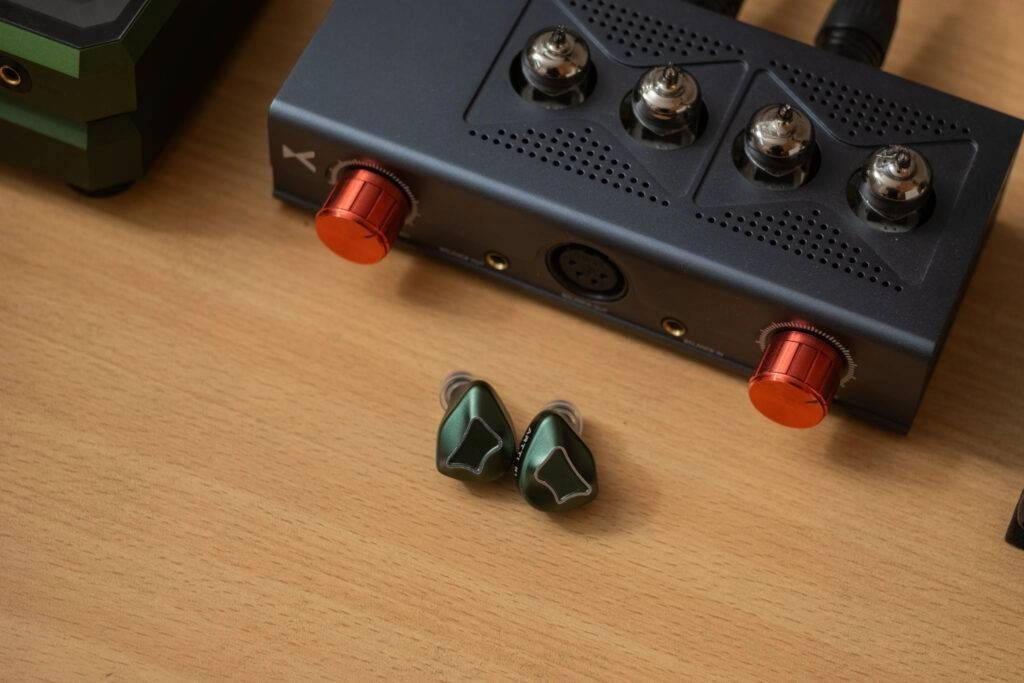
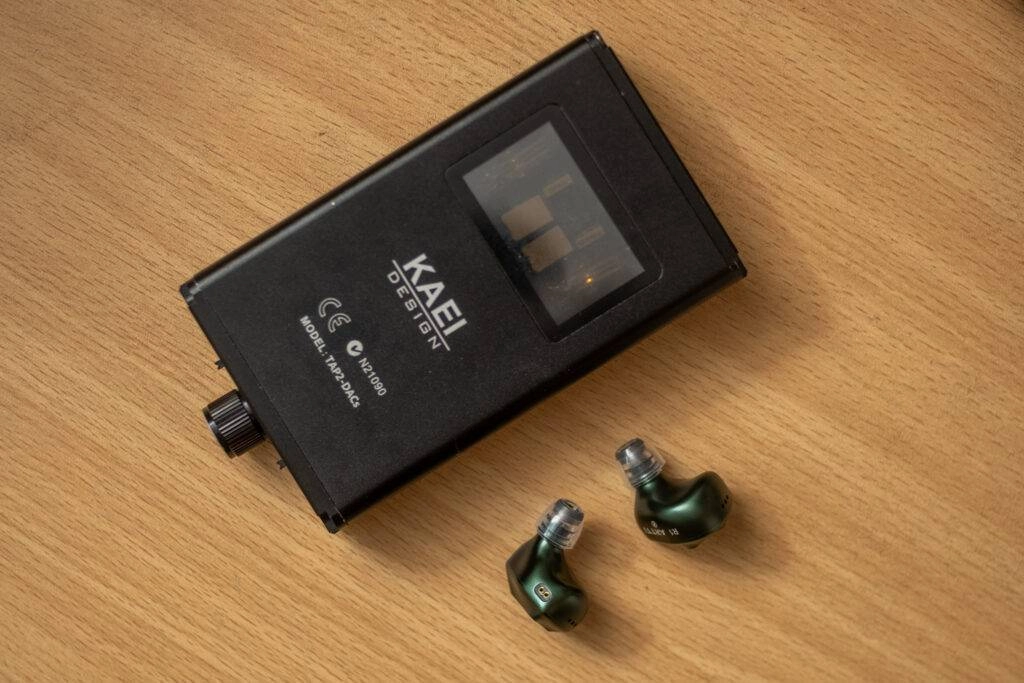
● DAC/AMP: xDuoo MT-604, Fosi Audio GR40, Hiby FD5, KAEI Design TAP2, ifi Hip DAC 2, xDuoo XD-05 Plus (with MUSES 8820 OP-Amp), Cayin RU6, Cayin RU7, iBasso DC04 Pro, Dunu DTC 480, Fosi Audio DS-1, Celest CD-10, Celest CD-20, Hiby FC05, Hiby FD03, Hidizs SD8 Pro Robin, Moondrop Dawn Pro.
● Smart Device: Poco X3, Xiaomi MiPad 5.
● Files: Tidal, Spotify, local Hi-Res FLAC & DSD files.
TECHNICAL SPECIFICATION
● Driver: Dual 6mm titanium dome DDs and an 8mm beryllium diaphragm DD
● Frequency response: 20Hz – 20kHz
● Impedance: 20.4Ω
● Sensitivity: 102 dB
● Cable: Four-strand 216-core high-purity copper
● Pin Type: 2pin, 0.78mm
● Cable Length: 1.2m
● Plug Type: 3.5mm/ 4.4mm
WHAT’S IN THE BOX
● Artti R1 IEMs
● High-purity copper Cable (3.5mm)
● 3 pairs of normal bore silicon tips (S/M/L) & 3 pairs of wide bore silicon tips (S/M/L)
● Carrying case
● User Manual
● Warranty card
UNBOXING EXPERIENCE
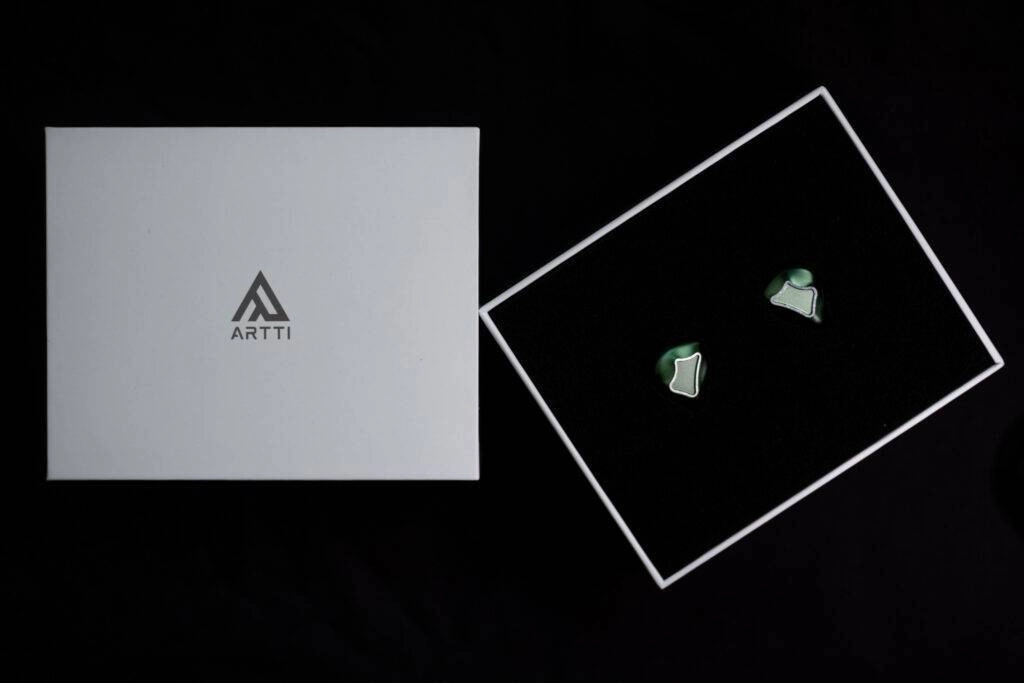
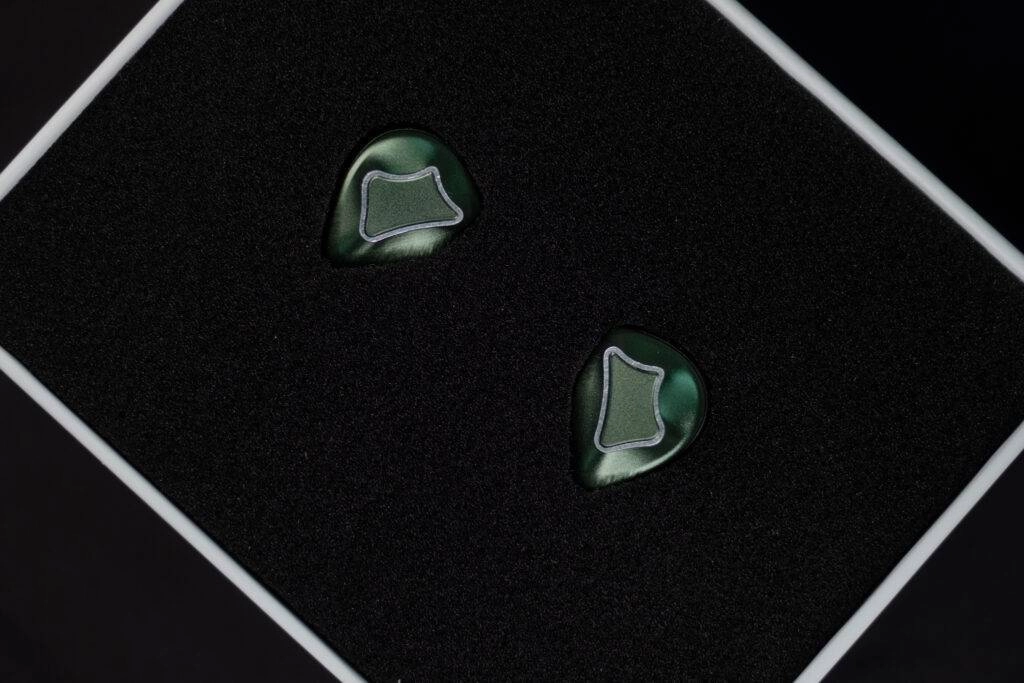
The unboxing is straightforward and functional. There’s a plain white box, and when you open it, you’re greeted by a foam insert where the earpieces rest. Then, underneath that, there’s a sturdy, zipped-up, fabric-covered carrying case, which opens up to reveal all the accessories. Two sets of silicone tips are in there, along with a narrower-bore tip and a standard wide-tip model, as well as the included audio cable. There’s nothing fancy to it, but all of it has a certain point. Their hard case is genuinely good, providing actual protection for your buds as opposed to those flimsy no-frills cases found in accessories around this range.
BUILD & DESIGN
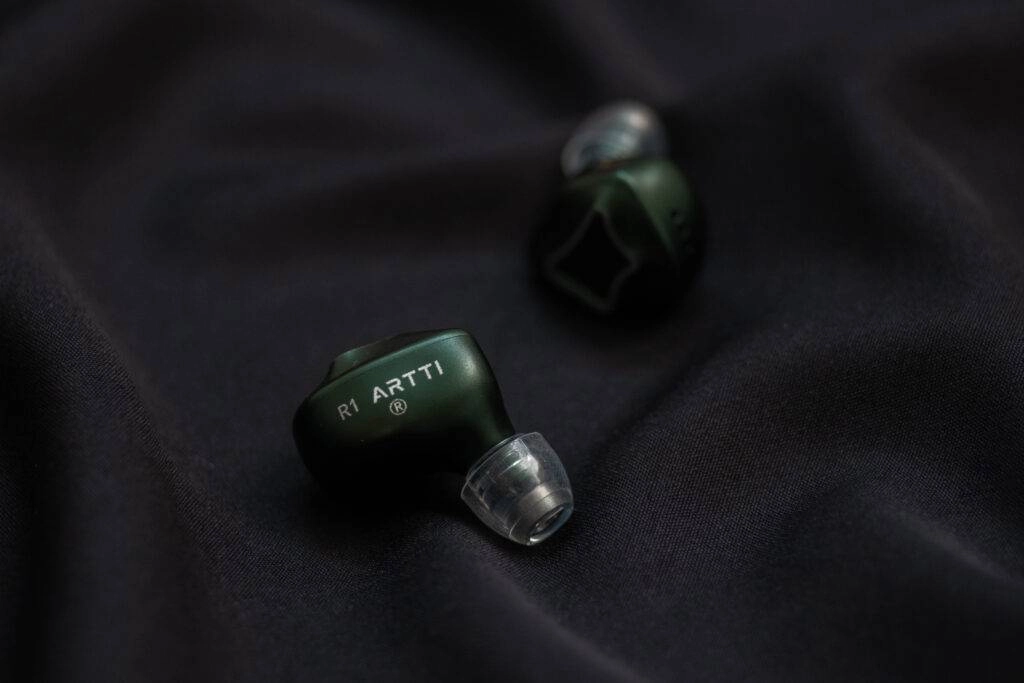
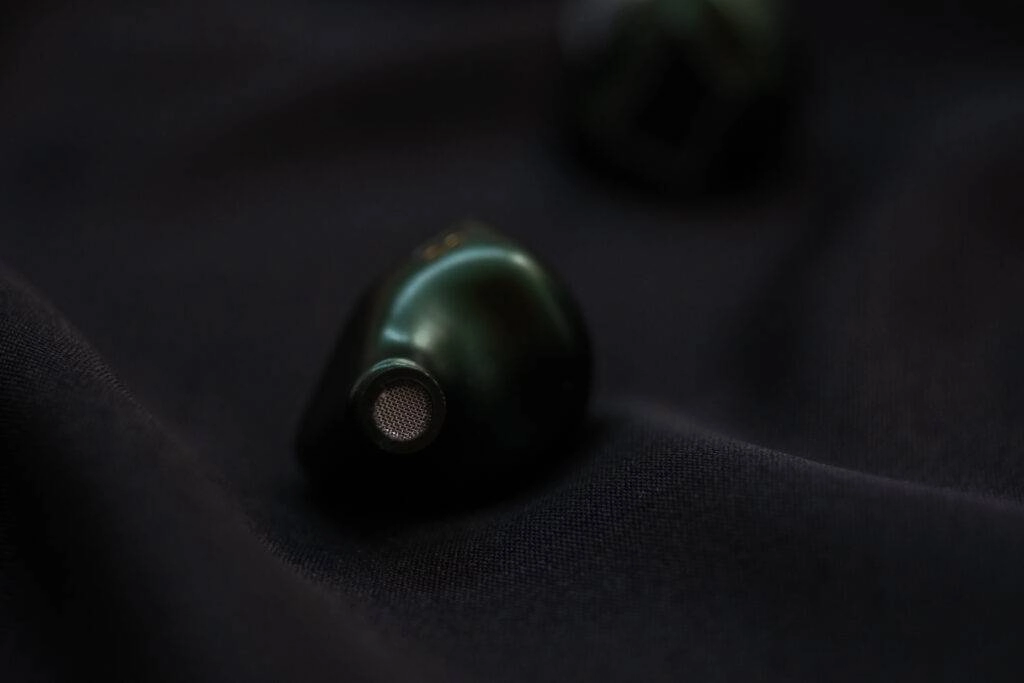
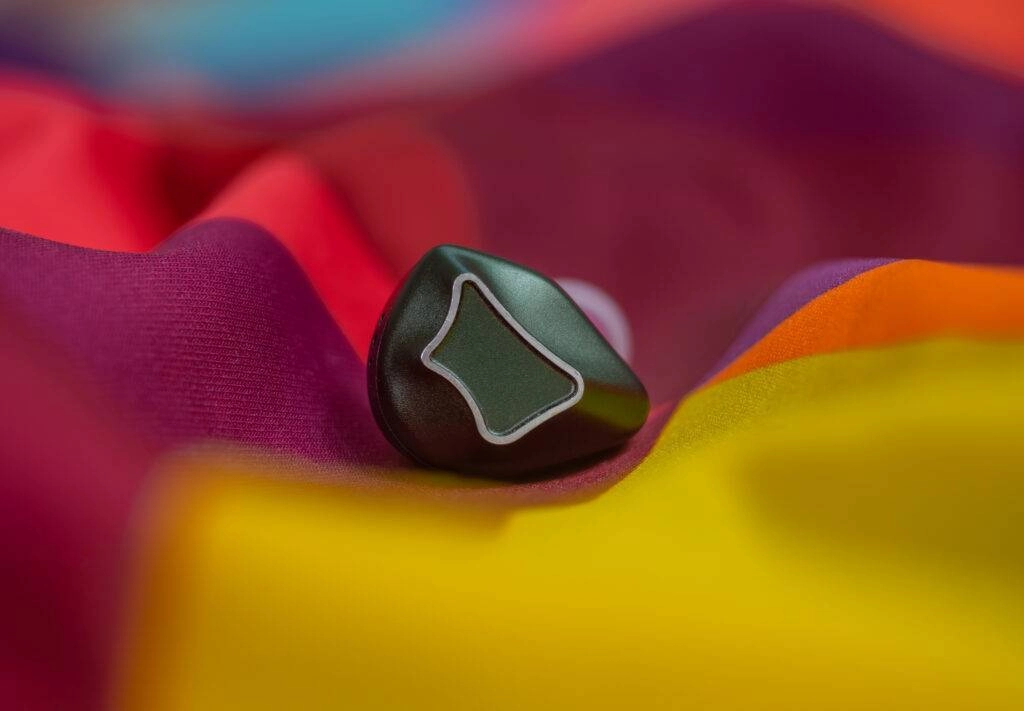
From a technical and materials perspective, the R1 is a standout IEM. The shells of R1 have been precision-machined from a block of 6063 aviation-class aluminum, and this makes them sturdy and genuinely high quality. This model comes with a dark green anodized finish that looks sophisticated. The front panel features a subtle rope design that looks elegant as it catches the lights nicely. The stock cable is 216-core high-purity copper wrapped with a soft PVC coat. The cable is soft, has a good amount of microphonics, and is almost tangle-free. And those supplied ear tips are no good, though made of soft silicon.
FIT & COMFORT
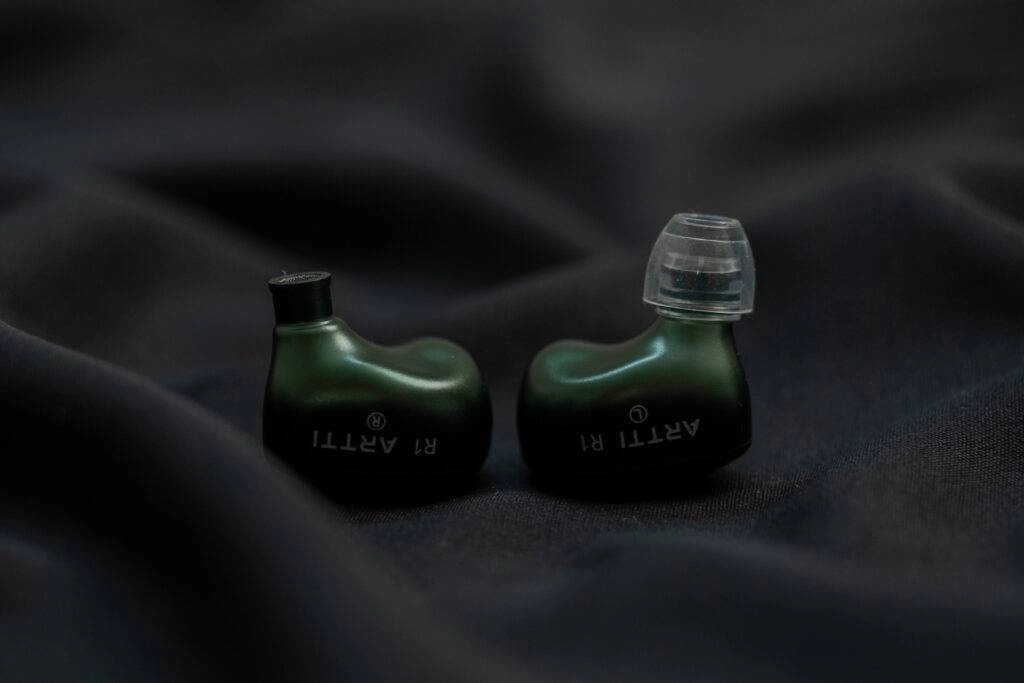
This is a matter of personal experience. The all-metal build feels robust and lightweight, while the shells are fairly large. For my ears, the shape and the over-ear cable routing worked out nicely, providing a secure, comfortable seal that remained comfortable during extended listening. Nozzles are of mid-length and of mid-width. But listeners with smaller ears may find them a bit of an inconvenience. As with the majority of modern in-ears, a deep, locked-in fit is what the bass wants to sound right. In my case, switching to aftermarket tips with a slightly longer stem (like the Velvet wide-bore, Clarion, etc.) amped up isolation and the bass response as well.
SOUND IMPRESSIONS
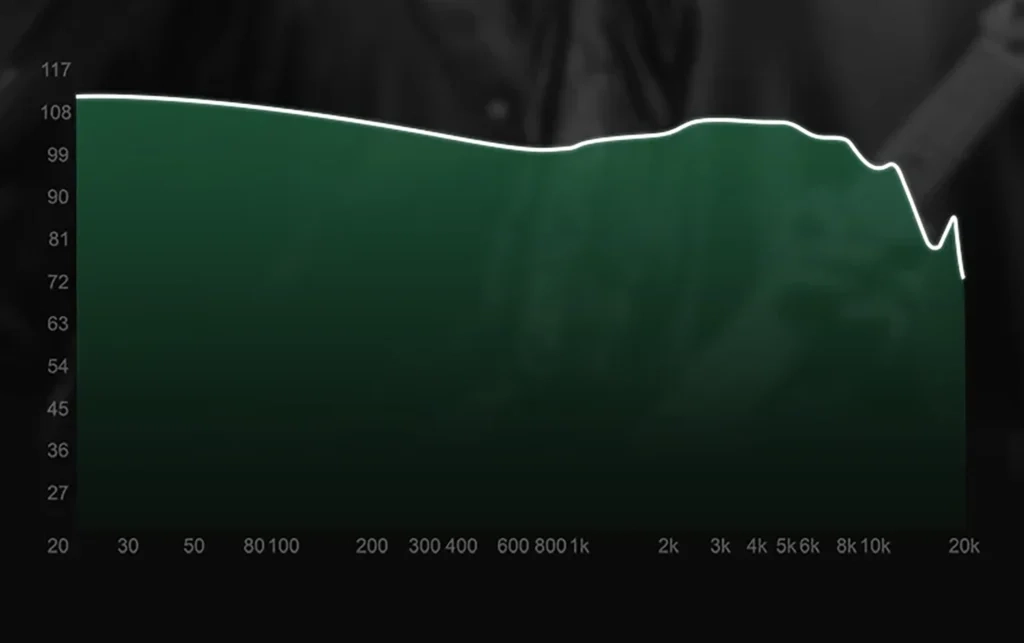
The R1’s sound seems like a sharp, open, and slightly bright U shape rather than a traditional warm, fun V. The bass is forward with a sub-bass lean, the mids are clean and detailed but slightly back, and the highs are lively and a bit airy. At least from the onset, you immediately perceive a wide soundstage and excellent clarity.
Here is the frequency graph:
Let’s dive deep…
SUB-BASS
The 8 mm beryllium composite driver takes care of the low lows, and it digs deep into the music. The instrument’s rumble manifests as a sensation you can feel through the hinges of your jaws. The R1 takes care of the heavy and pulsating bass lines confidently. The bass line isn’t distorted but rather has a growling effect, which has very little to do with the attack but is rather an effect of the rumble. It can linger a bit longer than a balanced armature would.
MID-BASS
This is where the R1 characterizes itself with a powerful word- ‘punch’. The impact that I felt was solid and weighty. The drums and bass guitars get a good meaty sound. The kick drums come out thick and round. The “thump” sensation reaches the chest. But there’s a slight bleeding into the lower mids, which may disturb you if you are a fan of pure midrange clarity. It adds warmth, but on very fast tracks, the bass guitar can slightly overtake the rhythm guitar.
VOCALS
MALE
If you love lush and rich male vocals, then this IEM will give you the ultimate experience. The male vocals have good note weight, and they don’t sound thin like any brightly tuned earphones. The lower register of the male vocals is presented in a full & romantic manner. It captures the sultry, deep tone of the voices perfectly without making them sound hollow. But keep in mind that due to the bass warmth, male vocals are slightly recessed here, and they sit a step back in the mix.
FEMALE
Female vocals are presented without any sibilance or shoutiness. It feels smooth and velvety. The female vocals come out with a gentle touch of warmth, which I personally love. All through the notes, from high to low, the vocals sound organic and non-fatiguing. And you know, this kind of presentation has a problem, and that is ‘lack of air.’ You don’t get that ethereal, breathy quality in this IEM that brighter sets provide.
INSTRUMENTS SEPARATION
If you consider the price point, then you must say that this IEM is capable of doing a decent job by keeping things organized. Well-tuned three DDs help separate the bass from the mids. In any track you’ll hear the high frequencies, like crash cymbals, presented with good clarity, while the instruments with ‘mid frequency,’ like guitars or saxophones, remain distinct from the bass region. But the warmth in the whole tuning sometimes acts like fog that blurs the edges between instruments.
TREBLE
The R1 holds the perfect characteristics of a warm-tuned IEM. It presents the treble safely and politely. It’s perfect for people like me who are sensitive to harsh high frequencies. The sound of high-pitched instruments is presented smoothly, and they don’t pierce your ears. The guitar sounds buttery rather than sharp. But it rolls off a bit early. You miss some of the sparkle and “micro-detail” in the upper registers. Though a bit warm & smooth, it’s not the most resolving treble out there.
SOUNDSTAGE
The stage of this IEM? Oh man, it’s surprisingly good, especially when it comes to ‘width.’ It’s not so claustrophobic; rather, it sounds open. In any concert recording, you will hear the audience clapping around you with a good placement of different instruments along with the vocal on stage. The depth is average, though. The sound is mostly a wide wall in front of you, rather than a holographic 3D ball around your head.
TECHNICALITIES
Dynamics: Macrodynamics are excellent. The difference between quiet and loud passages is felt physically, thanks to the dynamic drivers moving air. Micro-dynamics are just okay. Subtle nuances can get lost in the overall warmth.
Speed: The titanium drivers for the mids/highs are reasonably fast for dynamic drivers. The bass driver is a bit slower, which can cause a slight disconnect on very fast tracks like drum and bass.
Analytics (Detail Retrieval): It picks up the main details well. You won’t miss any major parts of the song. It is not a “microscope.” If you are analyzing a mix for mistakes, this isn’t the tool. It smooths over recording flaws.
SOURCES
It’s really easy to drive, but don’t fall for that! At least use a decent dongle DAC to power it up to enjoy its full potential. Keep in mind that a bright or neutral source can bring a good sparkle in the high frequencies. But don’t even think of any warm sources; the extra warmth can muffle up the low & mid frequencies.
CABLE & TIP ROLLING
The stock cable is really good, but my complaint is the 3.5 mm jack, and I expressed it earlier. A balanced 4.4mm balanced jack can draw more power from the source to let the three DDs open up and deliver the utter capabilities. If you have any silver-plated copper cable with a 4.4 mm jack, you may use that. Now about stock ear tips… just forget that. Any wide-bore tips can make the stage a bit wider and open up the high frequencies a little more.
FINAL THOUGHTS
Artti R1 is an absolutely brilliant product for those looking to escape the harsh analysis of tunings found within today’s market. This portable IEM is essentially a “sit back and relax” experience. Build quality is strong, complete with a top-notch cable, and its bass-driven soundstage makes classic rock, hip-hop, and pop music listening an absolute joy to experience.
WHATEVER YOU’RE THINKIN’ OF BUYING—DAC, DAP, IEM, HEADPHONE, AMP, WHATEVER—JUST MAKE SURE YOU GIVE IT A DEMO RUN FIRST. TRY IT OUT, LISTEN TO IT WITH YOUR OWN TRACKS. SERIOUSLY, ONE QUICK AUDITION CAN SAVE YOU A BUNCH OF MONEY AND REGRET LATER ON.
AUDIO TESTING PREFERENCES
I desperately love the music from the 60s to 90s era. Music was alive then. The genre I love most is ROCK ‘N ROLL. Though Jazz, Blues, Metal, and Disco Pop are also my favorite genres. I have a collection of albums with high dynamic recording. Most of the time I test audio gear with those albums to understand the sonic capability of the specific gear. If you have a TIDAL subscription, you may click here to get the playlist.
You are welcome to read other reviews by SONIC MANTRA.